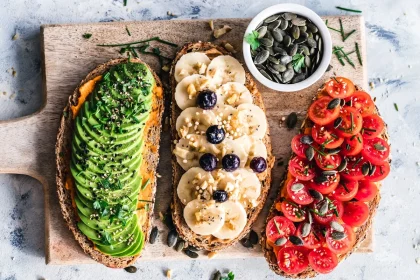



The best foods for type 2 diabetes include non-starchy vegetables, fish, tofu, beans, whole grains, whole fruit, plain yogurt, nuts and olive oil, arranged into portions that fit your treatment plan. Carbohydrate amount still matters: brown rice, chickpeas, sweet potatoes and fruit can raise blood glucose even when they are nutritious choices. Start with a balanced plate, then adjust the portions and timing with your diabetes care team.
Start with the plate, then choose the foods
A useful dinner starts with three decisions: which vegetables you will cook, which protein you will serve and which carbohydrate food belongs beside them. You do not need a special range of products labelled “diabetic.” Ordinary supermarket ingredients can make meals that are practical, affordable and enjoyable.
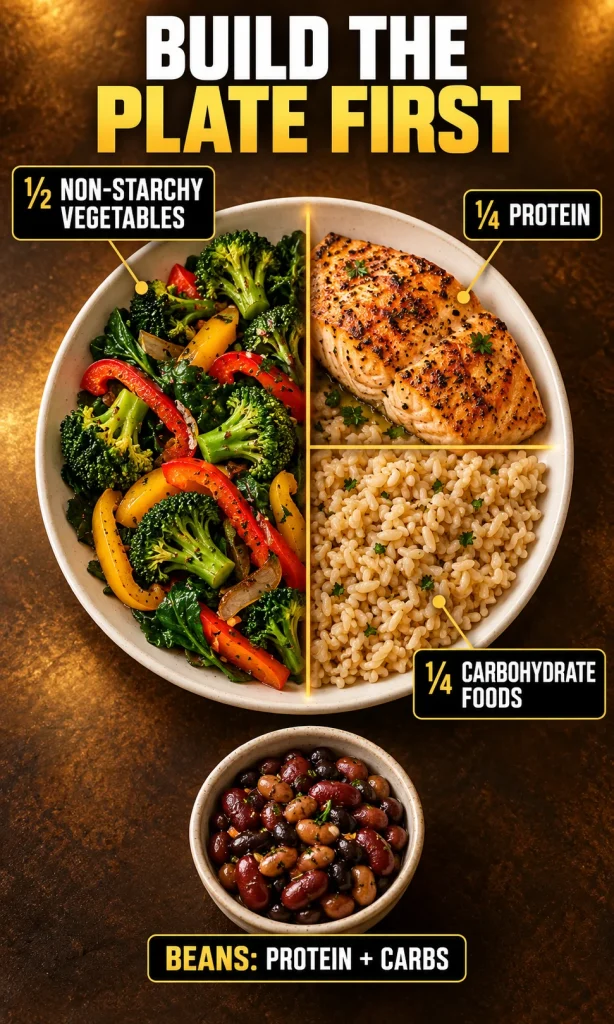
The Diabetes Plate method uses a plate about nine inches across: half non-starchy vegetables, one quarter lean protein and one quarter carbohydrate foods. Water or an unsweetened drink completes the meal. The proportions guide the food you put on the plate; they do not prescribe your daily calories or guarantee a particular glucose reading.
| Plate section | Examples | What to check |
|---|---|---|
| Half: non-starchy vegetables | Broccoli, cabbage, leafy greens, carrots, cucumber, peppers | Choose plain vegetables; sauces can add sugar, salt and fat. |
| Quarter: protein | Fish, skinless chicken, eggs, tofu, tempeh | Breading and sweet marinades also contribute carbohydrate. |
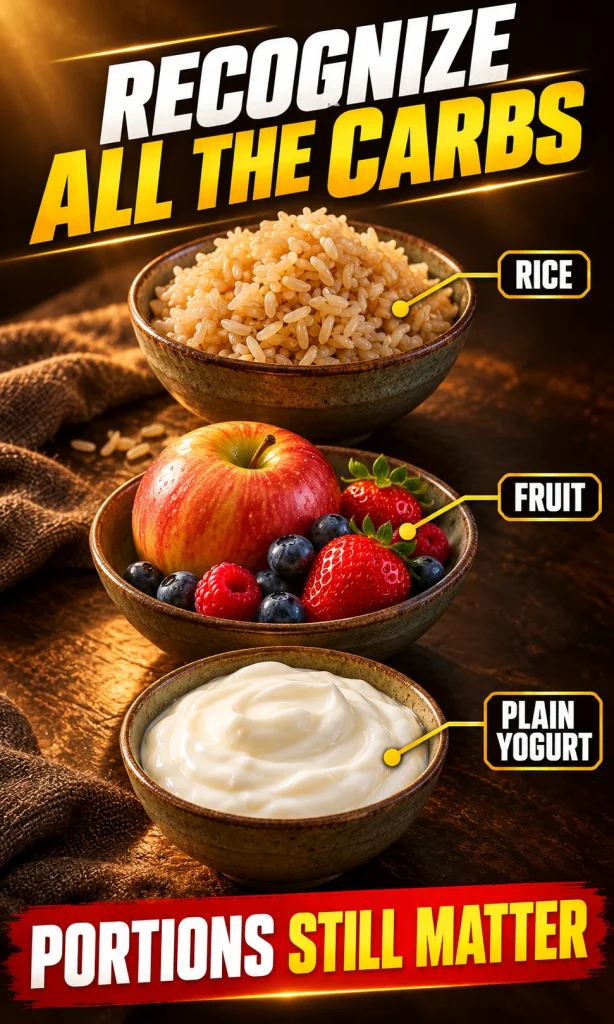
| Quarter: carbohydrate foods | Brown rice, oats, whole-grain pasta, beans, potatoes, fruit or dairy | Account for all carbohydrate foods in the meal, including side dishes and drinks. |
For a rice dinner, serve a smaller mound of rice beside fish and a generous helping of vegetables. For pasta, increase the vegetables and protein instead of filling the entire plate with noodles. A curry or soup can use the same proportions, even though the ingredients share a bowl.
This approach reduces measuring for people who need a simple starting structure, but it is not automatically better than carb counting. If you use mealtime insulin, or your clinician has given you carbohydrate targets, those instructions still apply. A visual quarter of a plate cannot tell you the exact carbohydrate grams in a mixed dish.
Beans need particular attention because they supply both protein and carbohydrate. A bean-based meal can be nutritious without adding a full rice portion alongside it. When lentils or chickpeas are the main ingredient, account for their carbohydrate contribution and build out the meal with non-starchy vegetables.
A type 2 diabetes food list you can actually use
Non-starchy vegetables: make these the foundation
Keep vegetables that suit your cooking routine: cabbage for stir-fries, frozen broccoli for quick dinners and cucumber for cold lunches. These foods provide fiber and nutrients with less carbohydrate than potatoes, corn or large portions of rice. Variety helps, but buying vegetables you will eat matters more than assembling a perfect rainbow.
- Leafy choices: spinach, bok choy, kale and salad greens.
- Quick-cooking choices: broccoli, cauliflower, mushrooms, zucchini and peppers.
- Longer-lasting choices: cabbage, carrots and frozen green beans.
- Preparation: steam, roast or stir-fry with a modest amount of unsaturated oil.
Carrots do not need to be banned because they taste sweet. The ADA’s non-starchy vegetable list includes carrots, tomatoes and several other everyday choices. Potatoes and green peas play a different role because they contribute more starch.
Protein: choose a practical main ingredient
Fish, skinless poultry, eggs, tofu and tempeh are useful starting ingredients. Bake fish with herbs, pan-cook tofu with mushrooms or use leftover chicken in a vegetable soup. The way you cook the protein often changes the meal more than choosing one “best” ingredient.
The ADA’s protein guidance distinguishes leaner choices from foods higher in saturated fat or sodium. Bacon, sausages and heavily processed meat need less frequent space in your routine. Nuts and hummus can contribute protein, but a small snack portion is not interchangeable with a full main-meal protein serving.
Beans and lentils: useful, but not carbohydrate-free
Chickpeas, black beans, kidney beans and lentils provide fiber and plant protein. Use them in chili, soups, salads and vegetable curries. Canned versions can save time; compare sodium on the label and drain and rinse when appropriate.
Do not treat chickpeas as an unlimited low-carb snack. A bowl of roasted chickpeas can contain a meaningful amount of carbohydrate, particularly when the portion grows while you are eating. Measure the portion you intend to serve and consider it alongside bread, rice or other starch in the same meal.
Whole grains and starchy vegetables: choose and portion
Oats, barley, brown rice, quinoa and whole-grain bread bring useful nutrients to a meal. Sweet potatoes, corn and potatoes also belong in the carbohydrate group. Their place on the plate depends on the portion and the rest of your meal, rather than whether a food has a healthy reputation.
| Food | Example portion to measure | Kitchen decision |
|---|---|---|
| Cooked rice, quinoa or pasta | ½ cup cooked | A serving example, not a carbohydrate prescription; check your plan. |
| Beans or lentils | ½ cup cooked | Recognize both the protein and carbohydrate. |
| Whole-grain bread | One slice | Slice size and carbohydrate content vary by product. |
| Sweet potato | ½ cup cooked pieces | Use as the starch, rather than an extra vegetable beside a full rice serving. |
| Plain yogurt | One labelled serving | Compare total carbohydrate and added sugar. |
| Nuts | A small handful, about 1 ounce | Choose unsalted; avoid eating straight from a large bag. |
The examples above help you recognize an amount before deciding whether it fits your needs. They are not equivalent carbohydrate exchanges and should not be used to calculate insulin. Your portion might be different because of activity, appetite, medication, nutritional needs or the carbohydrate goal set with your clinician.
Whole-grain bread and brown rice can still raise blood glucose. Fiber and food structure may influence digestion, but neither cancels the starch. If switching rice varieties does little for your readings, check how much rice you serve and whether fruit, milk, sauces or dessert add more carbohydrate.
Whole fruit: keep it, with a recognizable portion
Apples, oranges, berries, pears, peaches and kiwifruit can all fit. Choose fresh fruit, plain frozen fruit or canned fruit without added sugar. The ADA’s fruit guidance makes the key distinction: fruit contributes carbohydrate and belongs within your meal plan.
A small piece of fruit is easier to portion than a large bottle of juice. Dried fruit also becomes concentrated into a small volume, so a casual handful can be larger than intended. Mangoes and bananas are not universally forbidden; portion, accompanying food and your individual response matter.
Plain yogurt, milk and alternatives: read the container
Plain Greek yogurt can provide protein, and dairy foods can contribute calcium. Yogurt is not a vegetable and is not naturally a meaningful fiber source unless other ingredients supply fiber. Unsweetened does not always mean carbohydrate-free, because milk and yogurt contain naturally occurring carbohydrate.
Compare brands rather than assuming every Greek yogurt has the same composition. Flavored varieties may contain added sugar, while coconut-based alternatives may contain substantial saturated fat and little protein. For plant-based drinks, check fortification, protein and total carbohydrate as well as the “unsweetened” claim.
Unsaturated fats: use them as additions
Olive oil, avocado, nuts and seeds add flavor and make meals more satisfying. The ADA’s guidance on fats favors unsaturated fats over saturated and trans fats. This is a heart-health choice as well as a cooking decision.
Pouring extra oil into every dish does not make a meal more diabetes-friendly. Measure oil when you cook and portion nuts before sitting down to eat. Pairing carbohydrate with protein or fat can change the glucose response, but it does not remove the carbohydrate or ensure that glucose will stay within target.
Foods to limit, with realistic replacements
Start with the item you consume most often rather than trying to prohibit every enjoyable food. A daily sweet drink may be a more useful first change than an occasional slice of birthday cake. Choose a replacement that works in the same situation, so the change survives an ordinary busy week.
- Sweet drinks: replace soda, sweet tea and syrup-heavy coffee with water or unsweetened drinks.
- Large refined-starch portions: reduce the mound of rice or noodles and add vegetables and protein.
- Sweet breakfast products: compare cereal labels or use plain oats, eggs or unsweetened yogurt.
- Fried and fatty meals: try grilled, baked or steamed versions more often.
- Processed meats: use fish, tofu, beans or skinless poultry more frequently.
- Very salty sauces: measure the sauce and build flavor with herbs, spices, vinegar or lemon.
White rice and bread are not automatically forbidden. Smaller portions may fit your plan, and individual medical circumstances can change the preferred choice. Likewise, “sugar-free” cookies may still contain starch, fat and calories, so the front of the packet is not enough information.
Alcohol needs a separate discussion because it can interact with treatment and contribute to low blood glucose, especially with insulin or certain medicines. Do not assume a low-sugar alcoholic drink is therefore safe for you. Ask your care team whether you should drink at all and how to handle food and monitoring if you do.
A grocery list that becomes several meals
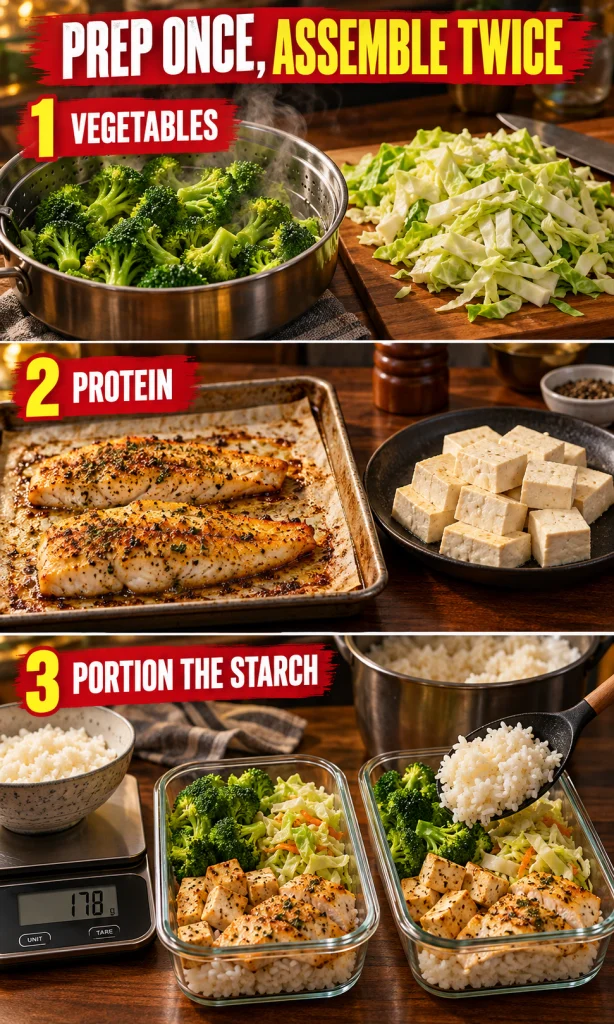
Choose a small set of ingredients that can work twice. Broccoli can accompany fish tonight and go into a tofu stir-fry tomorrow; cabbage can become a slaw or a cooked vegetable. Reusing ingredients makes the shopping list less expensive and reduces the chance of unused produce spoiling.
| Category | Choose from | Budget or storage option |
|---|---|---|
| Vegetables | Leafy greens, cabbage, carrots, broccoli, mushrooms | Plain frozen vegetables; sturdy seasonal produce |
| Protein | Tofu, eggs, chicken, fish | Frozen fish, canned fish, eggs or tofu |
| Beans | Lentils, chickpeas, kidney beans | Dried pulses or canned beans with less sodium |
| Carbohydrate staples | Oats, whole-grain bread, rice, sweet potatoes | Buy staple grains in a size you can store safely |
| Fruit | Apples, oranges, berries, pears | Seasonal fruit or plain frozen berries |
| Dairy or alternatives | Plain yogurt, milk, fortified unsweetened soy drink | Compare nutrition and cost per serving |
| Flavor and fats | Olive oil, unsalted nuts, herbs, spices | Measure portions; a little can flavor several meals |
For a Mediterranean-style rotation, the Mediterranean diet food guide offers more ways to use vegetables, legumes, fish and olive oil. Apply your diabetes portion plan to those meals rather than assuming the eating pattern makes portions irrelevant. You can also adapt these ingredients to familiar rice dishes, curries and soups.
Easy breakfasts, lunches, dinners and snacks
Breakfasts you can repeat
Try eggs with sautéed greens and a portion of whole-grain toast. Another option is plain Greek yogurt with berries and a small serving of nuts, or plain oats with yogurt and cinnamon for flavor. Measure oats before cooking and check whether milk, fruit and toppings together fit your carbohydrate plan.
Breakfast does not need to be identical every day. Keep two versions that fit your schedule: one that needs cooking and one you can assemble quickly. A jar of overnight oats can be convenient, but adding honey, several fruits and a large scoop of oats can make the portion much bigger than expected.
Lunches and dinners built around the same method
Use chicken, cabbage and a measured rice portion for a quick lunch. At dinner, bake fish, steam broccoli and serve a modest amount of sweet potato. For a plant-based option, combine tofu, mushrooms and bok choy with a carbohydrate portion that fits your plan.
A lentil soup with vegetables can also work, but count lentils and any bread as carbohydrate contributors. When buying a takeaway rice bowl, ask for more vegetables and less rice if that suits your plan. Keep sweet dressings and sauces separate so you can choose how much to use.
| Day | Breakfast | Lunch | Dinner |
|---|---|---|---|
| 1 | Plain yogurt, berries and nuts | Chicken, cabbage and portioned rice | Fish, broccoli and sweet potato |
| 2 | Eggs, greens and whole-grain toast | Lentil-vegetable soup; account for any bread | Tofu, mushrooms, bok choy and portioned noodles |
| 3 | Plain oats with yogurt and fruit | Leftover fish with salad and a grain portion | Bean chili with vegetables; adjust any rice accompaniment |
Swipe sideways to view every column.
These combinations show how ingredients can repeat without every meal tasting the same. They do not specify calories or equal carbohydrate totals across days. Adjust amounts, allergies and medication timing with your dietitian rather than treating the table as a complete medical meal plan.
Snacks are optional, unless your plan requires them
Useful options include a small fruit with nuts, plain yogurt or cucumber with a portion of hummus. Choose the snack for your hunger, schedule and treatment needs. You do not have to add snacks simply because you have type 2 diabetes.
Check your next meal with Plate & Pantry Studio
Choose the vegetables, protein, carbohydrate food and extras you intend to serve. Plate & Pantry Studio turns those choices into a meal summary, a shopping list and reminders about carbohydrate sources. It does not calculate insulin, predict blood glucose or replace your prescribed meal plan.
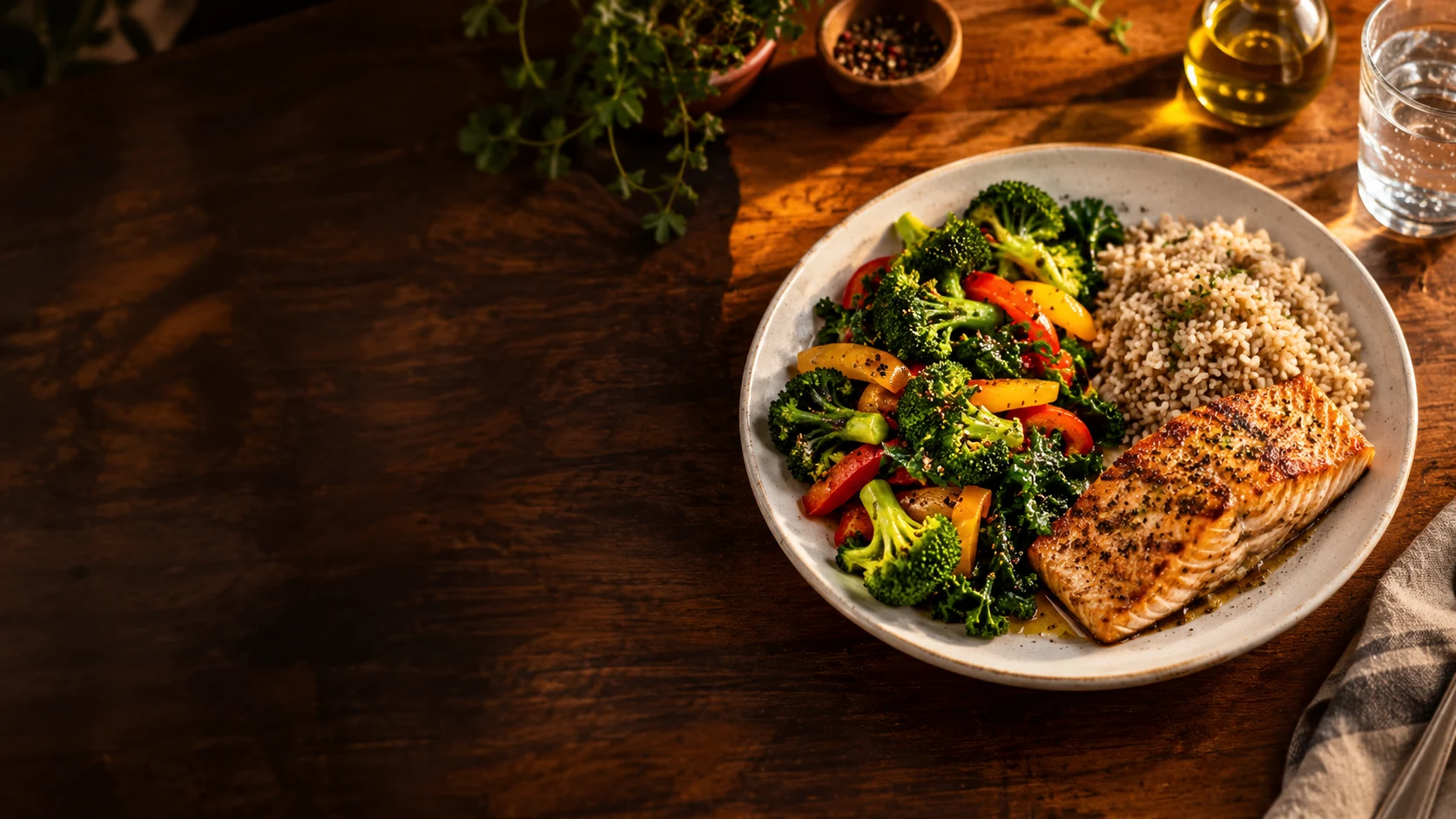
Plate & Pantry Studio
Build a familiar meal. Recognize the carbs. Take a clear shopping list.
Start with half a nine-inch plate of non-starchy vegetables, a quarter protein and a quarter carbohydrate foods. Beans supply protein and carbohydrate; fruit, milk and yogurt also contribute carbs. Your prescribed meal plan takes priority.
Educational meal ideas only. No glucose prediction, insulin dosing or personalized carbohydrate target. For low glucose, use your treatment plan rather than this meal builder.
Your meal summary
Choose your foods, then select “Review my meal” to see the shopping list and portion reminders.
When you need an individual meal plan
Ask a registered dietitian or diabetes educator about portions and timing if you use insulin, have recurrent low glucose, kidney disease, pregnancy or unintended weight loss. Keep following your current treatment instructions.
These open Google search results. Compare diabetes experience, professional registration, cost, access and whether the provider coordinates with your care team. No providers are ranked or endorsed here.
Portion, timing and labels: the details that change the result
Check the serving size and total carbohydrate on packaged foods, then compare them with the amount you actually eat. Added sugars are already included within total carbohydrate, so do not add the two figures together. The ADA’s carb-counting guidance explains why there is no single correct carbohydrate amount per meal for everyone.
For example, a label listing 20 grams of carbohydrate per serving represents 40 grams if you eat two servings. This is simple label arithmetic, not a suggested target. Use your clinician’s instructions for counting carbohydrate, particularly if you dose mealtime insulin.
Meal timing should fit your medication and daily routine. Skipping or delaying meals can cause low glucose with insulin or medicines such as sulfonylureas, as NIDDK’s healthy-living guidance explains. Ask for advice before making a large carbohydrate reduction or starting fasting.
If your care team recommends checking glucose around meals, record the food, approximate portion, medication timing and activity. Look for a repeated pattern rather than condemning a food after one reading. Illness, stress, sleep and treatment can also affect glucose, so bring the pattern to your care team instead of adjusting medication yourself.
When the general food list needs to change
Kidney disease, pregnancy, gastrointestinal problems, unintended weight loss and food allergies can change the advice. In particular, some people with kidney disease need individualized limits for protein, potassium, phosphorus or fluid. The CDC’s diabetes and kidney-disease guidance shows why a standard healthy-food list may need adjustment.
Low blood glucose is a different job from choosing an everyday meal. For many adults who are awake and able to swallow, the CDC’s 15-15 approach uses 15 grams of fast-acting carbohydrate followed by a check after 15 minutes, repeating if glucose remains below 70 mg/dL (3.9 mmol/L), unless your personal plan differs. Nuts, chocolate and high-fiber meals are not suitable substitutes for a fast-acting treatment.
If someone cannot swallow safely, is unconscious or has a seizure, do not give food or drink by mouth. Use prescribed glucagon if available and call emergency services. Recurrent low readings need a medication and meal review, rather than repeatedly adding snacks without discussing the cause.
Frequently asked questions
Can people with type 2 diabetes eat fruit?
Yes. Whole fruit can fit when its carbohydrate contribution and portion suit your meal plan. Choose fresh, plain frozen or canned fruit without added sugar, and recognize that juice and dried fruit are easier to consume in concentrated amounts.
Are sweet potatoes good for type 2 diabetes?
Sweet potatoes can be a nutritious carbohydrate choice, but they still raise blood glucose. Serve them as part of the starch portion rather than adding them to a full portion of rice or bread. Preparation and serving size matter more than the idea that sweet potatoes are automatically safe.
What is the best breakfast for type 2 diabetes?
There is no single best breakfast. Eggs with vegetables and portioned toast, plain yogurt with berries, or plain oats with a protein source are practical starting options. The amounts should fit your appetite, medication and carbohydrate plan.
How many carbohydrates should I eat per meal?
There is no universal number that works for every person with type 2 diabetes. Your care team can set an amount based on treatment, activity, nutritional needs and glucose patterns. Do not use a generic online target to change insulin doses.
Can I eat rice if I have type 2 diabetes?
Yes, rice can fit into an individualized meal plan. Measure the portion and balance it with non-starchy vegetables and protein rather than making rice most of the meal. Brown rice can add fiber, but both brown and white rice contribute carbohydrate.
Is a Mediterranean diet good for type 2 diabetes?
A Mediterranean-style eating pattern is an evidence-supported option for diabetes management and cardiovascular health. It emphasizes vegetables, legumes, fish, whole grains, nuts and olive oil. Carbohydrate portions still need to fit your treatment, and the pattern is not a reason to start drinking alcohol.
Do I need to buy special diabetic foods?
Usually, no. Ordinary vegetables, fruit, grains, protein foods and plain dairy or suitable alternatives can supply a varied diet. Compare labels on specialty products because diabetic or sugar-free wording does not establish their total carbohydrate content.
Make the next meal easier
Choose one meal to improve first: put vegetables on half the plate, select a protein and recognize all the carbohydrate foods you are serving. Buy enough ingredients to repeat that meal with a small variation later in the week. If portions or timing remain unclear, take your usual meals and glucose patterns to a registered dietitian or diabetes educator for specific adjustments.