

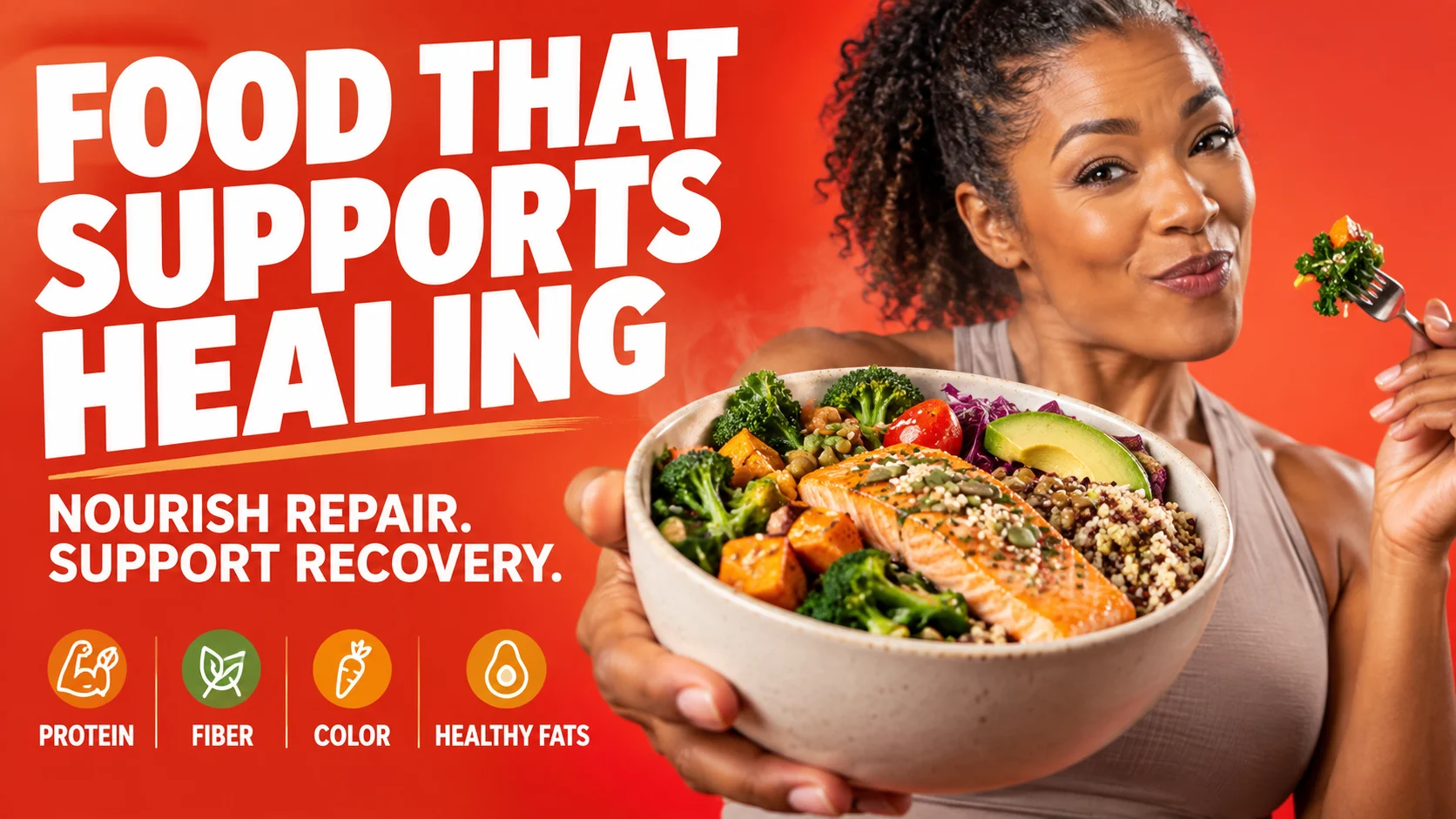

Food can support the body’s normal repair, immune, digestive and metabolic processes, but no single ingredient can “heal” every condition or replace medical treatment. The most useful way to think about healing food is as a pattern that supplies enough protein, energy, fiber, fluids, vitamins, minerals and unsaturated fats for the job your body is trying to do. If you are recovering from major illness, surgery, a wound or unintentional weight loss, the right amount can differ substantially from an everyday healthy diet.
What food can – and cannot – do
The word healing is useful only when it is kept precise. Protein supplies amino acids used to build and repair body tissues, vitamin C is required for collagen synthesis, and a varied diet helps prevent nutrient gaps that can interfere with normal function. The MedlinePlus overview of dietary protein explains that protein is needed to repair cells and make new ones, while the NIH vitamin C fact sheet identifies collagen formation and wound healing among vitamin C’s established physiological roles.
That does not mean a bowl of berries treats an infection, turmeric replaces anti-inflammatory medication, or a smoothie closes a surgical wound. Food works as one part of the body’s support system. The World Health Organization’s healthy-diet guidance emphasizes adequacy, balance, moderation and diversity rather than a single curative food, and it links healthy dietary patterns with lower long-term risk of several noncommunicable diseases.
| Reader need | What food can support | What food cannot promise |
|---|---|---|
| Tissue repair | Protein, energy and micronutrients needed for normal repair processes | Guaranteed faster healing or replacement for wound care |
| Immune function | Adequate protein, vitamins and minerals that the immune system requires | Prevention or cure of infection from one food |
| Digestive regularity | Fiber-rich foods and fluid for normal bowel function | A universal fix for persistent pain, bleeding or unexplained symptoms |
| Long-term cardiometabolic health | A dietary pattern rich in produce, whole grains, legumes, nuts and healthier fats | Reversal of established disease without appropriate clinical care |
MEAL-BUILDING EXPERIENCE
Nourish & Recover Studio
Build a practical meal around protein, fiber-rich plants, produce and healthy fats - then see what your plate may still be missing.
What are you building this meal to support?
Choose the reader job, not a diagnosis.
Which eating pattern fits you best?
This changes the examples, not the underlying meal structure.
Educational only. This experience does not diagnose, treat or cure illness and is not a substitute for individualized medical or dietetic care.
Recovery after surgery, severe illness, major wounds, unintentional weight loss, kidney disease, swallowing problems, food allergy or a diagnosed nutrient deficiency can change what and how much you should eat.
Meal Support Summary
A one-page food-first blueprint based on your selections.
Balanced foundation
Start with four jobs: a protein anchor, fiber-rich plants, colorful produce and a source of unsaturated fat.
Protein anchor
Fiber-rich base
Color
Healthy fat
Two meal ideas
What to add next
The four jobs a recovery-supportive meal should cover
A useful meal does not have to be perfect, but it should have a clear structure. In practical terms, most people can start by checking four things: a protein anchor, a fiber-rich plant or minimally refined carbohydrate, colorful produce, and a source of mostly unsaturated fat. This mirrors the broader direction of current public-health guidance, including the current Dietary Guidelines for Americans, which prioritize whole, nutrient-dense foods and limit highly processed choices.
- Protein anchor: fish, eggs, dairy, poultry, tofu, tempeh, beans, lentils or another deliberate protein source.
- Fiber-rich base: beans, lentils, oats, barley, brown rice, quinoa, whole-grain bread, potatoes with skin or another minimally refined staple.
- Color: vegetables and fruit that make micronutrient variety visible rather than accidental.
- Healthy fat: nuts, seeds, avocado, olives or a liquid plant oil, used in place of more saturated-fat-heavy options where practical.
If you want more examples of the first component, the site’s guide to protein-rich food examples is the natural next step. For the fiber component, use the practical ideas in fiber-rich food suggestions.
Protein is the repair anchor
Protein is the part of the plate most directly tied to tissue building and maintenance because dietary protein is broken into amino acids, which the body then uses to make its own proteins. That is why a recovery meal made only of juice, vegetables or plain refined starch can look “healthy” while still being nutritionally incomplete. The goal is not to turn every meal into a protein challenge; it is to make sure there is an actual source present.
Plant-based eaters can meet that job with beans, lentils, soy foods, nuts, seeds and grains across the day. A single meal does not need to contain every essential amino acid in some perfect combination. Variety across the day is the more practical target, and it avoids the outdated idea that plant proteins must always be “combined” in one sitting.
Colorful plants do more than decorate the plate
Vegetables, fruits, legumes and whole grains contribute fiber plus a wide range of vitamins, minerals and plant compounds. WHO guidance recommends a diverse diet and, for people older than 10 years, at least 400 grams of fruits and vegetables per day and at least 25 grams of naturally occurring dietary fiber. Those are population-level targets rather than a prescription for a specific person, but they illustrate why a plate with only meat and refined starch leaves useful nutritional territory uncovered.
Vitamin C-rich foods are a good example of why variety matters. Citrus, kiwi, berries, peppers and many vegetables contribute vitamin C, which the body needs for collagen synthesis and also helps non-heme iron absorption. That makes combinations such as lentils with peppers, beans with tomato and leafy greens with citrus more useful than viewing each ingredient in isolation. The site’s guide to food pairings that improve nutrient use explores this idea further.
Healthy fats are mainly a substitution decision
The health value of fat is not about adding as much oil, avocado or nuts as possible. It is often about what those foods replace. The American Heart Association’s current dietary guidance emphasizes unsaturated fats in place of saturated-fat-rich choices as part of a broader pattern that also includes vegetables, fruit, whole grains and healthy protein sources.
That is a more useful decision than labeling one oil “healing” and another “toxic.” A spoonful of olive oil does not cancel a low-fiber, high-sodium eating pattern, just as a small amount of butter does not determine the quality of someone’s entire diet. The pattern and the substitution both matter.
Why a pattern beats a “superfood”
Many foods contain compounds that are interesting in laboratory or clinical research, but the word superfood can blur the difference between a nutrient source and a treatment. Berries, leafy greens, oily fish, nuts, legumes, herbs and spices can all fit a health-supportive diet. Their value comes from what they contribute to the total pattern – fiber, protein, micronutrients, unsaturated fats and dietary variety – rather than from a universal healing effect.
This is especially important with anti-inflammatory claims. Diet can influence long-term inflammatory and cardiometabolic patterns, but a food that contains an antioxidant or polyphenol is not automatically a treatment for an inflammatory disease. If that is the angle you want to explore next, use the site’s evidence-oriented list of anti-inflammatory foods as a food-selection guide rather than as a replacement for medical care.
How to build a supportive plate in real life
A meal is easier to improve when you diagnose the missing job instead of starting over. Look at what is already on the plate. If you have chicken and rice, you probably do not need another protein powder; you may need vegetables, fruit and a better fat source. If you have a large salad with vegetables and dressing, you may need a protein anchor and a more substantial carbohydrate source.
- Identify the protein. If you cannot point to it, add one.
- Check the plant base. Add legumes, whole grains, starchy vegetables, fruit or another minimally refined source.
- Make color visible. One or two vegetables or a fruit serving can change the nutrient profile more than another supplement-like ingredient.
- Choose the fat deliberately. Nuts, seeds, avocado or plant oil are practical options.
- Check the drink. Water is a default; fluid needs can change with heat, exercise, illness and medical conditions.
For immune nutrition specifically, see the site’s guide to foods that support immune function. The language matters: supporting normal immune function is different from claiming that a food “boosts” immunity beyond normal or prevents infection.
When eating more is not automatically better
Recovery can increase nutrition needs, but more is not always safer. Kidney disease, some liver conditions, diabetes treatment, swallowing problems, gastrointestinal disease, food allergies and medication interactions can all change what is appropriate. A person with a large wound or significant unintentional weight loss may need more energy and protein than a healthy reader using this article for everyday meal planning, while another person may need specific limits.
Supplements deserve the same caution. Correcting a diagnosed deficiency can be important, but taking high doses “just in case” is not the same as eating a varied diet. Food-first guidance is a good default for routine nutrition; confirmed deficiencies, pregnancy, major recovery and medical conditions are where individualized advice becomes more valuable.
What to eat when you are actually recovering
If you are recovering from a minor illness and can eat normally, a simple strategy is to keep meals easy to tolerate while preserving protein, carbohydrate, fluids and produce as appetite allows. Think yogurt with oats and fruit, egg with whole-grain toast and tomato, lentil soup with bread and greens, or fish with potatoes and vegetables. The exact food matters less than consistently covering the jobs your body needs while avoiding dehydration or prolonged under-eating.
After major surgery, severe infection, a large wound or a period of substantial weight loss, routine healthy-eating advice may be too generic. In that situation, nutrition support can become part of treatment planning. A clinician or registered dietitian can account for weight change, appetite, wound burden, kidney function, glucose control, swallowing ability and medication use rather than simply handing you a list of “healing foods.”
Food that supports long-term health
The most durable version of “food that heals” is less dramatic than internet lists make it sound. It is a repeatable dietary pattern that meets nutrient needs, supports normal repair and immune function, improves fiber and produce intake, uses healthier fats more often, and does not depend on a single miracle ingredient. For broader cardiovascular food choices, the site’s guide to heart-healthy food choices is a useful companion.
If you remember one rule, use this one: build the meal around biological jobs, not marketing labels. Protein covers repair, fiber-rich plants and whole foods cover digestive and micronutrient needs, colorful produce expands variety, and unsaturated fats improve the overall pattern when they replace less favorable choices.
Frequently Asked Questions
Can food actually heal disease?
Food can support normal body functions involved in repair, immune function and long-term disease risk, but it does not reliably cure disease by itself. Treatment decisions should be based on the condition, its severity and the care plan recommended by a qualified clinician.
What foods are most useful during recovery?
Start with foods that make it easy to get protein, energy, fluids and micronutrients: eggs, fish, dairy or fortified alternatives, tofu, beans, lentils, whole grains, potatoes, vegetables, fruit, nuts, seeds and plant oils. The right amount depends on appetite, body size, medical conditions and the type of recovery.
Which nutrient matters most for tissue repair?
Protein is a central building material because it supplies amino acids used to repair and build tissues, but tissue repair also depends on enough energy, fluid and micronutrients such as vitamin C and zinc. A single nutrient cannot carry the whole process.
Are anti-inflammatory foods proven to work?
Healthy dietary patterns can influence long-term inflammatory and cardiometabolic risk, but the evidence is stronger for overall eating patterns than for one ingredient acting as a treatment. Use foods such as vegetables, fruit, legumes, nuts, whole grains and fish as parts of a pattern, not as substitutes for prescribed care.
Do I need supplements if I am trying to recover?
Not automatically. Supplements may be appropriate for a diagnosed deficiency, pregnancy, limited intake or certain medical situations, but higher doses are not always better. If recovery is significant or your intake is poor, discuss supplements with a clinician or registered dietitian instead of guessing.
Can processed foods still fit a healthy eating pattern?
Yes. Processing exists on a spectrum, and foods such as canned beans, frozen vegetables, yogurt, tofu and whole-grain bread can be practical nutrient-dense choices. The more useful question is whether the food helps you meet nutrient needs without excessive sodium, added sugar or saturated fat for your situation.