

Anime is a medium that makes the most of being visual. It’s usually easy to determine whether a series is an anime based on a single screenshot, but there are dozens of other telltale signs that make up the anime look.
RELATED: 10 Real-Life Fashion Products Inspired By Anime
Anime art styles fall in and out of fashion, but trademark anime outfits persist, helping define countless series. But where do staples like sailor uniforms and gakuran come from? What do they symbolize, and how does a character’s choice of garment define their character? Much of the clothing fans see as anime trademarks have a history all their own.
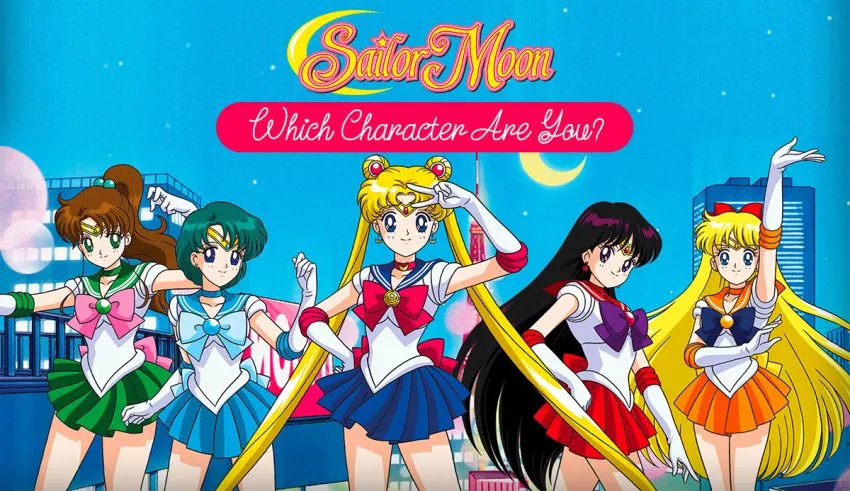
10 The Sailor Uniform Is 150 Years OldThe sailor uniform is among the most iconic anime outfits, especially among shojo protagonists. Sailor Moon, with her white and blue collared seifuku, is recognized the whole world over. Sailor uniforms are still worn by actual middle and high school students attending specific schools in Japan, but where did this tradition start?
In the 1800s, Japan opened its borders to the wider world and took inspiration from the garb favored by young, wealthy European children. Sailor uniforms also proved easy to sew and customize. To this day, Japanese students wear different crests, collars, neckties, and colors based on their schools.
9 The Gakuran Was Inspired By Military UniformsLike the sailor seifuku, the gakuran has been around for more than a century. But while the sailor uniforms took obvious inspiration from naval clothing, the gakuran was created to mimic a more militant style. The first gakuran were worn by university students at Tokyo University.
Later, when Japan occupied parts of China and Korea, the gakuran gained a foothold in these countries, too. The word “gakuran” developed from the word “randa,” which was slang for foreigners based on the Japanese pronunciation of “Holland.”
8 Maid Outfits Are Distant Relatives Of Edo Geiko CultureWestern otaku are familiar with kawaii culture, and the “cuteness” that outsiders interpret as a fundamental quirk of Japanese pop culture draws many newcomers to anime fandom. But what is kawaii culture, and how did it foster a world rife with maid cafes and maid cosplay? Kawaii culture is more than surface-level cuteness, for one. In Edo period Japan, geiko served a purpose that is often completely misunderstood by foreigners.
RELATED: Sailor Moon: The Sailor Scouts, Ranked By Fashion Sense
Geiko have more in common with professional artists than with sex workers and train for years to achieve their status as first-class entertainers and hostesses. Essentially, hiring a geiko (or geisha) meant being treated to an evening of music, conversation, and unparalleled hospitality. The European maid of the 1800s resonated with Japan as a sort of distant cousin to this artform. These days, it’s much harder to become a professional geiko than to work at a maid cafe, but the sentiment is similar.
7 Bunny Girls Have Obvious OriginsThe mystery of the bunny girl isn’t as mysterious as one might think. The impression that Japanese bunny girl outfits were adopted in the wake of Playboy is more or less accurate. The first anime bunny girl appeared in the early 1980s, fought back monsters and mecha, and evolved from there.
It’s also worth noting that rabbits are seen as creatures of good fortune in many East-Asian cultures, thanks in part to the proliferation of the moon rabbit folklore. All of this, combined with the powerful force of moe and the fondness Japan feels toward cute animals, has helped cement bunny girls forever.
6 Catgirls Go Way Back, But What About Catboys?There’s something slightly sinister about the cat-ear trope in anime, although the origins are less than mysterious. Japan as a whole has always been extremely fond and even reverent of cats throughout history, and three-hundred-year-old woodblock carvings depict cats impersonating humans and humans adopting cat mannerisms. Cat-human hybrids appear in classic texts and sometimes were depicted as sex workers.
But why has this trope shifted from catgirls to catboys? These days, catboy romances are a subgenre all their own. The series Loveless sparked more conversation of this trope, questioning whether fetishizing animal features was an attempt to sexualize innocence, but little can be said with certainty. What is certain is that catboys feature often in BL and parody series, and the ears and tails are often treated as faintly erogenous.
5 Yukata Are Essentially RomanticFestival episodes are a slice-of-life staple in anime, and for good reason. For the youth in Japan, spring and summer festivals offer adolescents an easy excuse to spend time with classmates outside of school in a context in which they can see each other in a new light. In Japan, people young and old enjoy wearing traditional clothing during events, and anime has made the most of this excitement.
RELATED: 10 Anime That Explore Traditional Japanese Culture
Traditionally, yukata are worn in the spring and summer, kimono in the winter. Where there are yukata there are often sunsets and fireworks, and even Hollywood knows that this combination of dressing up, going out, and seeing something beautiful is the fundamental formula for romance. Festival episodes, unlike beach episodes, often lead to significant character development.
4 Super Sentai Invented An Undying Fashion StatementWhile generations of children have grown up with Power Rangers now, how many have paused to question the origins of the iconic, oddball garments worn by these heroic characters? Japan has a long history of stage performances incorporating elaborate costumes. Kabuki performers have used costumes to define characters for centuries, and it’s important to remember that the first sentai shows were often performed on stages as well as on live-action television.
As in theater, costuming proved essential. In the case of sentai costumes, the original designs had to be wearable, lightweight, and also color-coded, making characters easy to identify even from far away. While sentai suits have evolved, what was once practicality is now a genre staple.
3 Salarymen Are Trapped In Their SuitsPerhaps the most straightforward of anime outfits, the salaryman suit nevertheless has its own cultural history. In essence, a Japanese salaryman is an office-worker in Japan that’s more or less “made it”: he has a solid job with brutal hours, a good wage, and a foothold in a company that might provide for his family for his whole career should he remain loyal to them.
RELATED: Top 10 Irritable Anime Characters, Ranked
In anime, the salaryman character is often fraught, and the suit often becomes symbolic of the constraining reality of working for a living. Salarymen are frequently depicted as alcoholics or loners, and the security they seek proves less than emotionally rewarding. Like another cubicle, the salaryman suit is a symbol.
2 Lolita Fashion Has Victorian OriginsJapan fell headfirst into the Victorian world when its borders opened in the mid-1800s. For the first time in 200 years, Japan began to interact with Western culture, and the impact of those initial reactions left a semi-permanent mark on Japanese culture. From this era began the fascination with Victorian fashion, adopted by anime and fashionistas alike in the many decades since.
Lolita street fashion took off in Harajuku in the 1990s and has waxed and waned ever since, but small girls in poofy dresses and gentlemen in extravagant cloaks have never really left anime behind. The Victorian style involved balancing restraint and refinement with sensual allure, and these elements have much in common with Japanese fashion.
1 Plugsuits & BDSM Aren’t Entirely UnrelatedCosplayers are familiar with zentai suits, but is the general public? While Western audiences are accustomed to seeing Spiderman wearing skin-tight garb, it’s hard to deny the erotic origins of zentai clothing. Inspired by animated characters, Japanese artists began to incorporate skin-tight clothing into fetish films in the ’80s and ’90s.
While the suits in Neon Genesis Evangelion and many other mecha anime may have been inspired by diving suits and space suits, the increasingly form-fitting designs suggest fetish was influencing fashion, as it often does. These days, it’s easy to buy a form-fitting zentai suit for a variety of reasons, be it for cosplay, Halloween, or sports matches. But take warning: those looking to buy Evangelion plugsuits may find themselves in a questionable part of the internet.
NEXT: 10 Anime Characters With the Weirdest Strengths
By: Leah Thomas
Title: The Sailor Uniform & 9 Other Iconic Anime Outfits, Explained
Sourced From: www.cbr.com/sailor-uniform-gakuran-iconic-anime-outfits-explained/
Published Date: February 06, 2022
Did you miss our previous article…
https://expertsguys.com/10-best-video-games-where-the-player-is-an-animal-screen-rant/