
Water Your Garden Like a Pro: Tips and Tricks for a Lush Green Lawn
No matter your skill level as a gardener, watering your plants correctly is essential for their health and wellbeing. Improper watering can cause serious damage or even lead to plant death.
Explanation of Why This is Essential: Plants, flowers and shrubs require at least 1 inch of water each week or more often in drought-prone areas. Furthermore, monitoring rainfall amounts is important so you don’t need to water as frequently.
All plants need watering, but not all gardeners know how to do it correctly. This can make your garden more vulnerable to pests and disease outbreaks.
First, water your garden early in the morning when the sun is not yet high in the sky. This gives plants time to drink up before becoming dry and prevents mold from forming on foliage.
Second, be sure to water deeply – getting the water down deep into the soil helps encourage roots to grow deeper. This may take several attempts, but it’s worth the effort for avoiding shallow-rooted problems and keeping your garden looking great!
To make sure your hose is watering effectively, try this trick: Place a small cup or can under your hose to collect at least an inch of water. Doing this will allow you to determine how long you should water your garden in order for its roots to receive adequate hydration.
Understanding Your Garden’s Water Needs

Gardeners must become knowledgeable about their plants’ watering requirements. By understanding when to water and how much to water, you can promote a vibrant growing season with stunning flowers and plants!
Factors Affecting Your Garden’s Water Needs
Soil type and texture influence how much water plants need. Some types of soil are more water retentive than others, such as sandy or loamy soil which tends to retain more moisture than heavy clay-like soil does.
Your garden’s location, climate and topography all affect its watering requirements. In general, areas that receive a lot of rain tend to require more frequent irrigations than those which receive little or no precipitation.
Mary Massura, a plant scientist at Texas A&M University, suggests that mulching and other water-retention techniques can help conserve water in your garden. These include spreading mulch over the ground, using drip irrigation systems, planting drought-resistant varieties and adding compost to your soil.
When to Water Your Garden:
Generally speaking, watering your garden should be done early in the morning when temperatures are dry and sunny. This helps keep soil moisture and cool while reducing evaporation that could damage plants.
Avoid Overwatering Outdoor Plants: Overwatering can lead to mold and mildew problems on outdoor plants. It also rots the roots, causing your plants to stop growing or even die.
Signs of overwatering and underwatering:
Overwatered soil typically looks dark in color with a slightly sour or foul smell and feels hard to work with.
If you spot any of these warning signs, it might be time to reduce your watering schedule.
Watering too often can lead to wet soil, so be sure to test it with a hand trowel or soil probe to see if there’s too much moisture present or not enough.
Michael Lavender, a professor at Oklahoma State University, suggests that when watering plants, aim your spray directly at their base rather than leaves or stems. Overhead watering can leave foliage damp and promote fungus growth.
Drip irrigation and soaker hoses are better options for keeping your gardens moist without overwatering. Drip irrigation systems can be found at home improvement stores.
Keep track of when and how often you water your plants using an app or notebook. This will make it simple to remember what needs to be done, helping avoid overwatering.
Different Plant Types and Their Watering Needs:
Gardeners often get surprised to learn about the vast differences in water requirements between various species of plants. Some, like succulents or pothos, prefer intermittent dry days while others require consistent moisture – like ferns.
In general, all plants require an ample supply of water to stay healthy and flourish. Some types of plants – like flowering shrubs and trees – require more water than others, but most gardeners can ensure their plants’ wellbeing by following these watering tips.
Timing Is Everything When Watering Your Garden

Timing is key in any garden, whether you have a small windowsill plot or an expansive landscaped area. Not only will watering at the right time help conserve resources, but it will also ensure healthy plants that can withstand heat waves, dry spells and rainfall.
When to Water Your Garden
The ideal time to water your garden is early morning before the sun comes up, as this reduces evaporation and allows moisture to seep into the ground. Furthermore, early morning watering encourages healthy roots since soil temperatures are cooler – allowing more of the soaking water to penetrate deeply into the earth.
If you can’t water in the morning, watering early evening is another great option. This allows the water to seep into the ground and refresh your plants before temperatures start to climb again, helping reduce evaporation.
How Often to Water Your Garden
The frequency of irrigation required for each plant varies. Larger and newly planted varieties need more frequent watering than smaller perennials or vegetables.
One simple way to determine your garden’s water requirements is by inserting your finger a few inches into the soil and feeling for dampness or dryness. If it feels wet, then it may be time for some additional watering.
How Often to Water Your Vegetable Gardens
Vegetable gardens should be watered once or twice a week depending on the type of vegetables and other factors that will influence how quickly they grow. This depends on what kind of veggies are grown and other factors, like climate conditions.
However, it’s best to water your vegetables as soon as they appear thirsty in order to replenish their water stores. This is especially crucial if the weather has been particularly hot and dry.
Vegetables can become dehydrated when their soil isn’t moist enough, so it is best to give them a drink before they turn brown and die off.
Composting in your garden will add nutrients to the soil and protect it from diseases like fungus or mildew that could otherwise destroy your vegetables. Gardeners also have the option of installing a water efficient irrigation system which helps them conserve water consumption while keeping their gardens healthier.
Conditions and How Deep to Water
A general guideline is to water every two inches or so weekly. This will saturate the soil and promote healthy root growth.
Watering deeply is also recommended to get to your roots, helping prevent shallow root growth that could weaken your garden.
Soil Conditions and When to Water
If your garden has sandy or clay soil, then it’s wise to water deeply and often. Unlike lawns which can be watered three times a week, gardens need only be watered when the soil appears dry.
Different Ways to Water Your Garden

When it comes to watering your garden, there are plenty of options. From hand-watering to sprinkler systems, you can select a method that meets both your needs and budget.
Watering your garden correctly can mean the difference between abundant harvests and a dry, lifeless landscape. Here are some helpful tips and tricks for effective irrigation!
1. Hand-watering vs. sprinkler systems
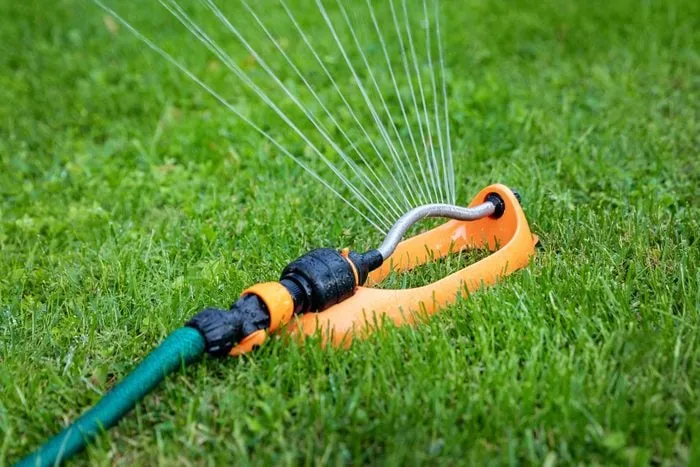
When it comes to watering your garden, there are two methods. You can manually water with a hose and spray nozzle or install an automated sprinkler system for easier convenience.
With a sprinkler system, you can set a timer and have your watering done automatically. No longer do you need to worry about getting up early on Saturday mornings to lug the hose out and water your lawn manually.
Modern sprinkler systems are more eco-friendly than hand watering, as they use sensors and timers to make sure your lawn only receives the water it needs. Not only does this save you money, but it reduces your carbon footprint too – an important factor for the environment.
Another advantage of a sprinkler system is that it’s easily customizable to meet your lawn’s individual requirements. Furthermore, its ease of use and time-saving capabilities will save you plenty of effort and frustration.
If your yard or landscaping is extensive and features many different plants and flowers, installing an irrigation system could be beneficial. It’s best to hire an expert installer for this task.
2. Drip irrigation systems
Drip irrigation is one of the most efficient and flexible ways to water your garden. This method places small drip emitters close to plant roots, offering plants a much better experience than other methods of watering.
Controlling water consumption for each plant is possible, and can be adjusted as your plants develop. This makes it especially advantageous in vegetable gardens and compatible with many landscape styles.
The system consists of a mainline that transports water to drip tubing equipped with emitters. These emitters release water at various rates based on soil type and crop being grown, typically 1 or 2 gallons per hour.
A drip system consists of several elements. These include the piping that connects from the water source to your garden, a filter that keeps the tubing free of dirt and debris, and a timer to automate watering operations.
Drip tubing in some systems is pressure compensated, meaning it maintains a consistent flow regardless of how long the line runs or whether the ground slopes uphill or downhill. However, this type of drip tubing may not be ideal when there are uneven patches or long plant lines present.
3. Choosing the right watering method for your garden
Watering your garden is one of the most essential tasks for keeping plants healthy and flourishing. Utilizing the correct irrigation method will save time, money and effort while providing your plants with essential nutrients they need to flourish.
Wrong watering techniques can do serious damage to your plants and even put them at risk of disease and fungi. Here are some tips to help you select the ideal method of watering your garden.
1. Avoid watering in the evening when soil temperatures are high and wet foliage can attract insects, fungi and disease.
2. Avoid watering too frequently; frequent light applications only wet the top layer of soil, making it difficult for plant roots to penetrate deeper in search of essential nutrients, sugars and hormones.
3. Avoid watering during hot, dry weather; doing so evaporates water quickly and reduces its availability for root zone penetration.
4. Avoid using overhead sprinklers in vegetable gardens; more water is lost to evaporation than absorbed by the soil.
5. Do not count on your irrigation system to water shrubs and trees at their bases; most systems do not penetrate deep into the soil surface where roots reside.
Understanding Your Soil

A soil is a unique ecosystem located beneath the mineral layers that make up Earth’s surface. It absorbs, holds, releases, alters and purifies water as well as air and nutrients, serving as home to an array of plants, animals and organisms – including humans who benefit from these amazing processes in the soil.
Different Types of Soils and Their Water-Holding Capacity
Soil textures can be divided into three primary groups according to particle size: sand, silt and clay – each having distinct pore spaces which enable them to retain water differently.
Texture tests are an easy way to assess the texture of your soil. Simply dampen a handful of dirt, roll it into a sausage shape and examine its shape, feel, sound and cohesiveness.
The texture of your soil can determine how it will grow and whether or not it requires amendments to improve its fertility, such as nutrient levels and drainage. A thorough soil test will give you valuable information regarding what types and amounts of amendments your garden requires, helping ensure a healthy and successful garden.
Testing your soil’s moisture level is another useful indicator for determining how much water your soil requires. This method not only helps determine when to water, but it reduces water consumption as well.
To measure the moisture content of your soil, you can either use a water meter or gravimetric method. You may also measure it by pinching off a small portion of soil with your hand or digging into it using a shovel.
Soil is an intricate and dynamic system, providing essential services to plants, animals, microbes and more. It acts like a sponge that absorbs, retains, releases, alters and purifies water and nutrients for plants to flourish.
Receptive media serves as a home for plant roots to develop, anchoring them in the ground and shielding them from weather conditions. It also serves as an incubator for various microbes which feed on and detoxify waste produced by plants, contributing to the overall health of the soil ecosystem.
Amending your soil for improved water retention is a necessary element of any sustainable and healthy gardening strategy. By improving moisture retention in your soil, you will reduce evaporation and runoff, making it more resilient during dry spells.
Vermiculite, sphagnum peat moss, coconut coir or other organic materials can improve your soil’s capacity to retain moisture while improving drainage and oxygen supply. Doing so will give your plants all the essential nutrients they need while preventing root rot or other plant diseases caused by overwatering or poor drainage.
Soil pH is an integral factor in the growth and development of your garden, lawn or flowerbeds. Your soil’s pH can be affected by regular irrigation or fertilizers applied to it; if not maintained at the correct range, plants cannot absorb essential nutrients for healthy growth, leaving your yard looking dull and unattractive.
How to Water Your Garden Effectively

Knowing when and how to water your garden is one of the most essential steps in getting the most from your plants. If done correctly, both soil and plants will flourish, yielding abundant harvests.
Fortunately, mastering the basics of watering isn’t as daunting a task as some might think. Here are some helpful tips to get you started:
1. Watering deeply vs. shallowly
Watering correctly is essential for your garden’s health and aesthetic appeal. Too little water and your plants may suffer, while too much can actually suffocate them. Here are some tips on making the most of your precious water resources.
Doing it correctly will reward you with vibrant greenery and blooms. In addition to watering your plants and fauna, make sure they have adequate room around them for nourishment. Mulching bare soil helps retain moisture during dry months.
Having the correct irrigation system is essential for growing a successful garden. This includes having the correct placement of emitters as well as their associated timing and frequency of use.
2. Watering at the right frequency and duration
Watering your garden is an essential step in maintaining healthy plants. Vegetable gardens thrive when given proper soil, proper sunlight and enough moisture – but it can be challenging to know when and how much to water each plant during unseasonably hot summers.
Depending on the type of soil you have, plants may require watering more or less frequently. Heavy clay soils retain moisture well, so you won’t have to water them as often as with sandy soils that lose moisture rapidly.
To determine whether your plants need watering, push your finger into the soil and feel for dry spots just an inch or two below ground surface. If you can feel a crack just below that depth, it may be time for irrigation.
Water deeply to allow your plant’s roots to fully absorb moisture. Doing this encourages deeper root growth, which is essential for keeping your plants healthy and vibrant.
It is beneficial to allow the top layer of soil to dry slightly between waterings. Doing this helps protect against disease buildup and encourages weed growth.
3. Avoiding water runoff
Watering your garden effectively is the secret to lush growth and stunning blooms. Whether you have a garden, container plants or houseplants, proper watering techniques can make all the difference in their health as well as the color and size of their flowers and foliage.
When it comes to watering your plants, the amount needed depends on the season and weather conditions. Generally speaking, most plants, shrubs, and flowers require at least an inch of moisture each week during dry weather. In hot, dry regions like desert regions however, your plants may require more than that amount if conditions are particularly dry and hot.
Water runoff prevention is an essential step in ensuring your garden receives enough water. To do this, use a wetting agent to reduce surface tension of your water so it penetrates deeply into the soil.
Consider investing in a drip irrigation system or soaker hose for larger gardens and containers, as these water directly to the roots. Utilizing these methods saves time and ensures your plants receive even watering throughout the season. It’s best to set up these systems prior to spring when plants have grown large enough that they become overwatered. You may want to invest in a water timer as well so you don’t run it too frequently.
Types of Watering Tools and Equipment

When it comes to watering your garden, there are various tools and equipment you can use. You can purchase a kit with everything necessary for an integrated irrigation system or individual items like drippers, flow control valves, and timers. There’s even equipment that measures soil moisture levels so your plants receive adequate hydration.
Types of Watering Tools and Their Uses
The most basic watering tool is the watering can. These come in various materials like plastic or ceramic, with a spout that breaks up water into droplets to avoid damaging delicate plants, as well as a handle for easy gripping. Some cans are designed for spot treating specific areas in your garden while others have larger capacities and can fill an entire bed with water.
You can also find watering globes that use a glass reservoir to release water slowly to the plant. These are ideal for those who must be away from their garden but still want their plants to receive regular irrigation. These can be used independently or combined with a watering stake for more complex systems.
Hose and nozzle are essential tools for a well-watered garden, and they can be attached to any garden hose or spout. A hose nozzle is especially beneficial as it allows you to control the direction of water flow. Moreover, you may choose a hose with multiple pressure settings so you can use it for various tasks.
Hand Tools to Have in Your Toolbox
Gardeners should have several different kinds of hand tools in their arsenal. But some essential pieces for most gardeners include:
Spade Fork
A spade fork is equipped with long flat tines that enable it to easily dig up weeds or divide perennial flowers. It can also be used for cultivating soil, as well as harvesting root crops like carrots and potatoes.
Broad Fork
A broad fork is an invaluable tool in your garden, as it works by loosening and aerating soil. It can easily lift large pieces of rock and dig holes for planting seeds.
Rake
Rakes are another useful tool that can be used for breaking up hard soil or taking leaves off your lawn. These come in metal, plastic or wood and tend to be much lighter than shovels or trowels and can easily be slung over one’s shoulder to save space.
King of Spades Model 38 Balling Spade is the ideal choice for this task, boasting an almost indestructible handle made from alloy tubing and a heat-treated blade with a sharp edge.
Dealing With Watering Challenges

Water gardening presents gardeners with a number of challenges. Here are some strategies for dealing with them.
Pests and Disease Caused by Overwatering
One of the biggest difficulties when water gardening is overwatering your plants. Overwatering can lead to plant diseases, damping-off, and root rot if not addressed promptly. To minimize this risk, be sure to monitor soil moisture levels and plant needs so you can irrigate your garden appropriately.
Drip irrigation instead of sprinklers helps conserve water and reduce humidity levels. Furthermore, keep an eye on plant health and use foliar sprays when necessary to ward off diseases from developing.
Soil Erosion
Soil erosion has become a serious problem in many areas due to soil depletion and the loss of vital plant and wildlife habitats. This erosion can lead to flooding, landslides and other hazards that endanger human safety, food security and economic prosperity.
Preventing Soil Erosion
Soil erosion can be minimized through various methods, such as planting crop rows across sloped land, maintaining a riparian buffer around streams and rivers, using drip irrigation instead of sprinklers, and creating swales into the soil to slow water flow.
The amount of protection needed depends on the soil type, slope and rock types in an area. Loose wood chips or straw mulch may be sufficient for mild slopes; however, steeper hills require additional erosion control measures like erosion control blankets made from straw bound by either synthetic plastic or natural jute netting and laid evenly on the ground as a blanket.
Utilizing Cover Crops
Cover crops can reduce soil erosion by providing cover during periods of dry weather. They also provide valuable nutrient-rich organic matter that improves soil quality and inhibits weed growth.
Other methods to protect your soil include applying compost, mulch and fungicides on crops. Applying commercial fertilizer may also be beneficial in order to increase nutrient levels in the soil.
By adding green cover crops such as legumes, small grains or grass to the soil, you are adding organic matter that is rich with microorganisms and beneficial for controlling pests and diseases.
Watering Restrictions and Conservation Mandates
In many parts of the world, water resources are limited and growing populations place additional demands on existing supplies. California has taken action to protect its environment by instituting various water restrictions that aim to limit usage while still conserving available sources.
Some cities and counties have implemented mandatory irrigation restrictions to conserve water. These may include no outdoor watering on days when it rains or on weekends, no outdoor watering of ornamental turf, no hose or hand washing on sidewalks, driveways, streets, alleys or parking areas, as well as no outdoor watering during extreme heat waves or drought conditions.
These watering restrictions are not meant to discourage gardeners from growing their own produce, but rather protect the local ecosystem and water supply for future generations. While they may seem daunting at first glance, if you follow the advice provided in this article, it will reap rewards in the end.
Advanced Watering Techniques and Types of Irrigation

Irrigation is the practice of providing water to plants and crops through artificial means such as pipes, sprinklers, canals, sprays, pumps etc. Irrigation plays a significant role in agriculture by fulfilling plants or crops’ water needs and achieving high yields.
Irrigation can be divided into various types, such as surface irrigation, sub-irrigation and localised irrigation. These methods aid in increasing crop growth and productivity while decreasing water and chemical use in agriculture.
Rainwater harvesting is a method of collecting rain water for domestic uses such as drinking and bathing, or irrigating gardens. It’s an economical and efficient way to store water for future needs while helping prevent flooding.
Smart Irrigation Systems
Precision Mobile Drip Irrigation (PMDI) is a modern solution to the drawbacks of traditional hosepipe irrigation. This system involves long steel arms with sprinkler nozzles attached to pivots that revolve around an inner base, helping farmers reduce water usage while still protecting their crops. This method is currently being used in southwestern Kansas as part of farmers’ water conservation initiatives.
Terrace Irrigation
In ancient times, terrace irrigation was widely practiced around the world. We know of its origin in Peru’s Zana Valley region; estimates place its use as early as 4,000 BC – which would make it one of the oldest methods of watering crops in North America at this early date.
Surface Irrigation
Surface irrigation is the most common form of irrigation, which uses gravity to evenly distribute water across a field. This system works best when land has natural slopes and ample sources of water available.
This method requires a substantial amount of manual labor to direct water over fields. Furthermore, it carries risks and is inefficient as it may lead to soil erosion and water loss.
Sub-irrigation
A more sophisticated form of irrigation is sub-irrigation, which involves raising the level of the water table below ground to moisten soil instead of applying water directly from above. This technique has become popular around the world and proven successful at growing various crops such as wheat or rice.
It is not recommended to use this technique in areas with low soil infiltration rates, as it can lead to flooding and erosion. It works best on clay-soils but may be difficult to implement on sandy soils.
Drip Irrigation
Drip irrigation is an increasingly modern irrigation method that can be used in both residential and commercial settings. Drip irrigation provides the ideal way to water dense plantings or individual plants without using excessive amounts of water.
The primary disadvantage of this method is its cost and time commitment for installation, but it provides even water distribution. Furthermore, it can be combined with other techniques like surface irrigation to maximize crop production.
Other Considerations for a Lush Green Lawn

If you want a lush green lawn, there are several things that need to be taken into account. Fertilizing, cutting your grass properly and dealing with bare patches in your yard are all crucial for preserving its health and aesthetic value.
Fertilizing Your Lawn for Healthy Growth
The most beneficial fertilizers are those that contain nitrogen, phosphorous and potassium. These essential nutrients promote grass growth and strengthen blades resistant to drought, disease, insects and other factors that might weaken or damage your lawn.
Nitrogen is an essential element in chlorophyll, the green pigment responsible for giving your grass its vibrant hue. Without enough nitrogen in the environment, your lawn may begin to look yellow or brown and be more brittle and vulnerable to disease and stress.
Mowing Your Lawn Correctly
The best way to keep your lawn healthy and lush is to cut it at the correct height on a regular basis. For optimal results, cut the grass by approximately 5 centimeters every two weeks; this keeps the stems in contact with the soil, reducing moisture loss and preventing weeds from sprouting.
Once every five mows, inspect your mower’s blade to make sure it remains sharp. A dull blade can tear the tips of grass, turning them white and increasing their susceptibility to wilting or death.
Avoid cutting your grass too short in the summer to help it better withstand hot, dry conditions. Doing this also encourages its roots to go deeper into the soil, protecting it from insects, fungi and other stresses.
If your lawn is suffering from grub problems, you may need to reapply a fertilizer with iron. This mineral is essential for grass growth as well as photosynthesis – an essential nutrient.
When fertilizing your lawn, be sure to read the bag of fertilizer to see what N-P-K ratio it contains. Aim for an N-P-K ratio of at least 10 percent and choose a fertilizer specifically designed for grass.
Dealing With Bare Patches in Your Lawn
Bare patches in your lawn may occur for various reasons, such as animal damage and water runoff. Some problems can be remedied easily by adding top soil and overseeding the bare area with new seed. On the other hand, more serious issues like phellodendron root rot or rust will need more serious measures like removing rotting wood or replacing damaged areas with new turf.
Phellodendron root rot can be treated by first flushing the affected area with water to flush away excess salt, followed by applying a lawn care product that effectively controls this pest. You may also need to remove any dead wood or fungi if present.
If your lawn has become overrun with weeds, don’t worry – control can be achieved without using chemicals at all! There are various weed killers on the market that will eliminate seeds and protect your grass from future issues.
Common Myths and Misconceptions About Watering Your Garden

Common Myths and Misconceptions About Watering Your Garden
Watering your garden correctly is often overlooked, but there are some basic truths you should be aware of that can help prevent problems in the future. These tips will help you steer clear of these missteps and ensure healthy plants in no time!
Myth #1: Watering your garden during high summer temperatures is neither best nor appropriate
Watering your garden with a sprinkler or garden hose on hot, sunny afternoons can be a mistake. The dry air from the sprinkler or hose may lead to mold and mildew growth on wet leaves, vegetables or fruit that got wet. Furthermore, it becomes difficult to keep water from running off the surface due to frequent sprinkler action.
Myth #2: Watering your garden daily is necessary and helps your plants grow strong and healthy
Many people mistakenly assume that daily watering is necessary when starting their vegetable garden. However, daily watering is not necessary for established plants and may actually hinder them from developing deeper roots that can better absorb moisture in your soil. During summer months, you can encourage deep root development by watering deeply but less frequently than usual.
Myth #3: Watering your garden in the evening is better than watering in the morning as it protects plants from fungus infestations.
For most garden plants, early in the morning is ideal. This is because morning air is cooler and allows water to absorb quickly into soil instead of evaporating in intense afternoon sun. Furthermore, this helps prevent fungi and bacteria from growing.
Myth #4: Watering Your Garden in Shade Is Beneficial for Plant Health
This myth has been perpetuated for centuries, yet it still persists today.
It can be tempting to think that watering in shaded areas of your garden will keep them healthier, but this misconception could actually do more damage than good as heat from the sun causes soil to become stale and more vulnerable to fungal diseases. Therefore, it’s best to water areas that get plenty of sun instead.
Myth #5: Watering Your Garden with Tap Water Is Harmful to Sensitive Plants Like Calafia and Spider Plants
The myth goes that tap water contains chlorine and other hazardous particles which can harm your plants. Furthermore, it’s a waste of resources since it leaves puddles on your foliage.
Myth #6: Watering Your Garden by Hand Is Best For Lawns and Other Large Areas
Watering your lawn with a hose or sprinkler may seem like it is providing enough moisture, but in reality if you don’t use sprinklers that replicate slow, soaking rain, the water will run off in clumps and pools – especially in windy areas.
Final Thoughts on Water Your Garden Like A Pro – Tips And Tricks For A Lush Green Lawn
Are you in search of tips that will keep your lawn lush, green and stunning? A lush lawn attracts attention from visitors and increases the value of your property. Here are some great ideas!
A great lawn begins with the correct soil amendments to supply it with essential nutrients for healthy growth. This includes fertilizer containing nitrogen, phosphorous and potassium as well as lime to raise the pH level of the soil.
When to Water Your Lawn:
For optimal results, water early in the morning before the sun gets hot and evaporates moisture. This gives your grass a chance to take a drink before going into the heat of the day and allows the water to seep into soil for the remainder of the day.
Utilize a Timer:
With busy summer schedules, it can be hard to remember to water your lawn. An electronic timer makes programming watering frequency and duration easy; plus, if it rains, the timer automatically pauses watering so as not to waste any effort.
Mowing:
Maintaining a lush lawn requires regular and accurate mowing. Victa’s horticulturist Adam Woodhams suggests cutting your grass so the blades are 8cm tall to encourage deep root growth and keep your grass healthy.
Maintaining your grass for longer periods of time not only creates shade, but it can also prevent weed seeds from germinating.
A lush, green lawn is the envy of all who pass by it and the envy of any homeowner who enjoys their outdoor oasis. With some effort and the right steps, however, you can turn your dull yard into a tranquil haven that everyone will want to visit!
FAQs
- How much water does my garden need?
The amount of water your garden needs depends on various factors, such as the type of plants, soil type, and weather conditions. In general, most plants require around one inch of water per week, but it’s best to check the soil moisture regularly and adjust your watering accordingly. - Can I water my garden with a hose?
Yes, you can water your garden with a hose, but it’s important to use the right watering technique to ensure the water reaches the plant roots and doesn’t simply run off the surface. Consider using a nozzle attachment that allows you to control the flow of water and direct it where it’s needed. - What should I do if my garden is getting too much water?
If your garden is getting too much water, it’s important to address the issue as soon as possible to prevent damage to your plants. Consider improving drainage by adding organic matter to your soil or installing drainage systems. You can also adjust your watering schedule or reduce the frequency of watering. - How can I tell if my plants need more water?
There are several signs that your plants need more water, such as wilting, yellowing leaves, and dry soil. However, it’s important to note that these signs can also indicate other problems, so it’s best to check the soil moisture level before watering. - Is it better to water my garden in the morning or at night?
In general, it’s best to water your garden in the morning when the air is cooler and there’s less wind. This allows the water to penetrate the soil before the sun gets too hot and evaporates it. Watering at night can increase the risk of fungal diseases due to prolonged moisture on plant leaves. - How can I conserve water while still keeping my garden healthy?
There are several ways to conserve water while still keeping your garden healthy, such as choosing drought-tolerant plants, using mulch to retain moisture, and avoiding watering during hot, windy conditions. You can also consider installing a rain barrel or using a smart irrigation system to reduce water waste.