
You can eat fruit on Whole30, and the program does not set a fixed daily fruit limit. Fresh fruit and plain frozen fruit are compatible, while packaged fruit needs an ingredient check. The useful question is whether your choice fits the rules and helps you build a satisfying meal.
Which fruits can you eat on Whole30?
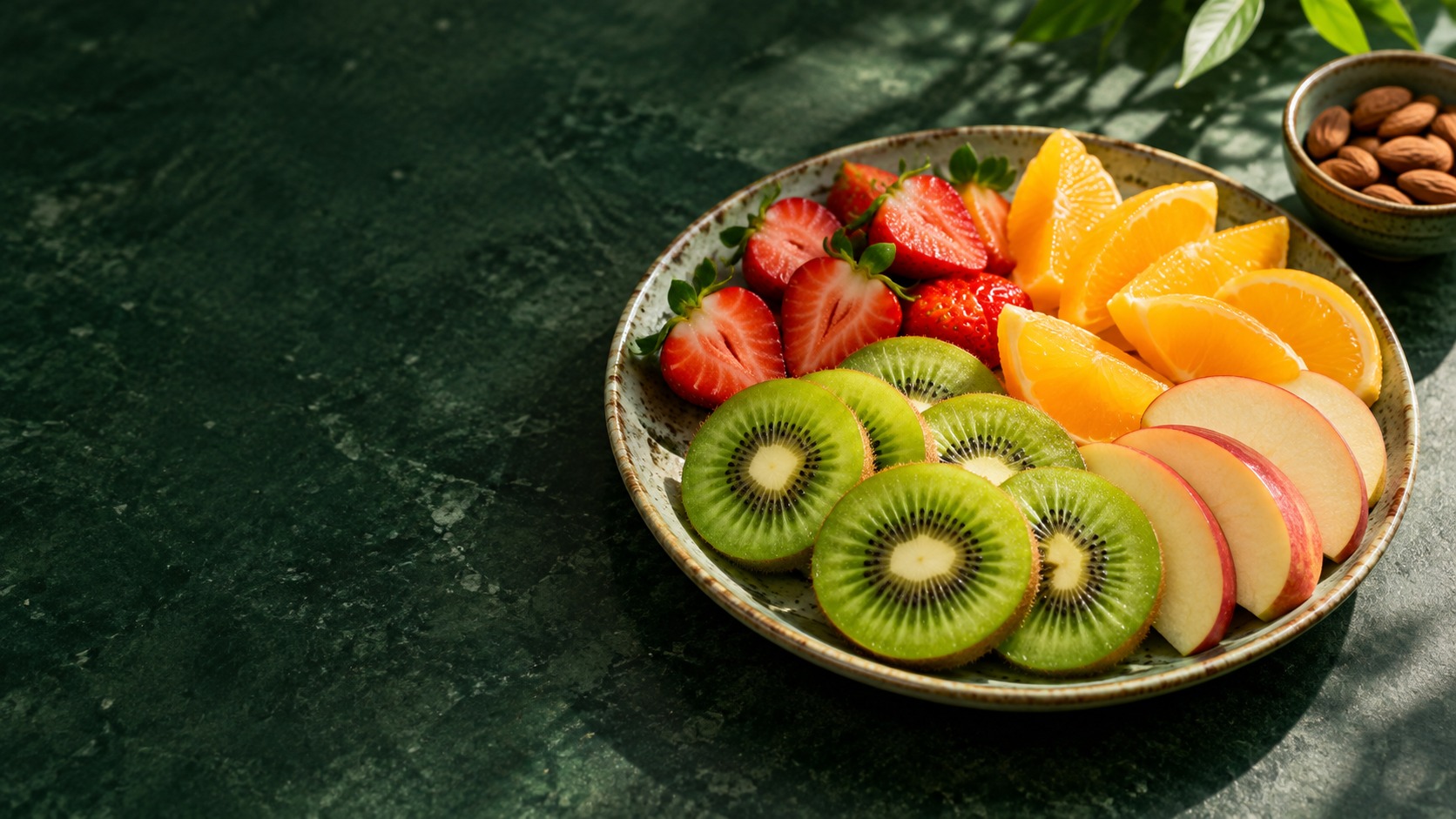
Apples, bananas, berries, oranges, grapefruit, kiwi, pears, peaches, grapes, mango, pineapple, melon, and cherries can all fit. Sweetness does not decide whether a whole fruit is allowed. Choose fruit you enjoy, can afford, and will actually use, rather than looking for a special approved variety.
A banana on the counter and a banana-flavored snack are different decisions. The fruit itself is straightforward; a packaged product may add sweeteners, dairy, or other ingredients that change the answer. Start with the ingredient list, then consider the product category.
| Fruit form | Rule check | Practical use |
|---|---|---|
| Fresh or plain frozen fruit | Compatible. | Use what suits your meals and budget. |
| Canned fruit | Check the packing liquid and all ingredients. | Prefer a simple product; inspect syrup carefully. |
| Dried fruit and dates | Can be compatible; check additions. | Decide how much to put on your plate before opening a large bag. |
| 100% fruit juice | Compatible without added sweeteners. | Consider whether a drink or whole fruit works better for you. |
| Smoothie | Compatible ingredients are required. | Look at the whole blend, including its protein source. |
| Fruit-sweetened cookies or brownies | Excluded baked goods remain excluded. | Compatible ingredients do not override the product rule. |
| Date syrup or added sweeteners | Excluded. | Whole dates and date syrup are different ingredients. |
The Original Whole30 rules separate whole foods from excluded ingredients and product categories. This article covers the Original program, including its animal-protein meal examples. If you follow Plant-Based Whole30, check that program’s rules for the rest of your meal.
How much fruit is allowed each day?
There is no official two-serving daily cap, and three servings do not automatically mean you have eaten too much. Whole30’s rules-versus-recommendations guide explicitly treats fruit amounts as flexible. Do not turn a suggested routine into a new restriction.
The Original meal template includes one to two fruit servings as an optional addition to meals. That is meal-building guidance, not a maximum allowance for your entire day. It also encourages adjustments for hunger, activity, and energy needs.
- For a simple routine: choose a fruit portion with a meal, then decide whether you want more later.
- For a hungry or active day: increase the food you need rather than obeying an invented fruit ceiling.
- For frequent grazing: serve fruit in a bowl and notice whether you need a proper meal.
- For personal nutrition targets: use your clinician’s advice; a program compatibility rule does not set your medical intake.
One or two fruit portions across the day can be a convenient arrangement, but it is only one arrangement. Someone who enjoys fruit with several meals may choose differently. The goal is a workable eating pattern, not a contest to eat the least fruit.
What does a fruit portion look like?
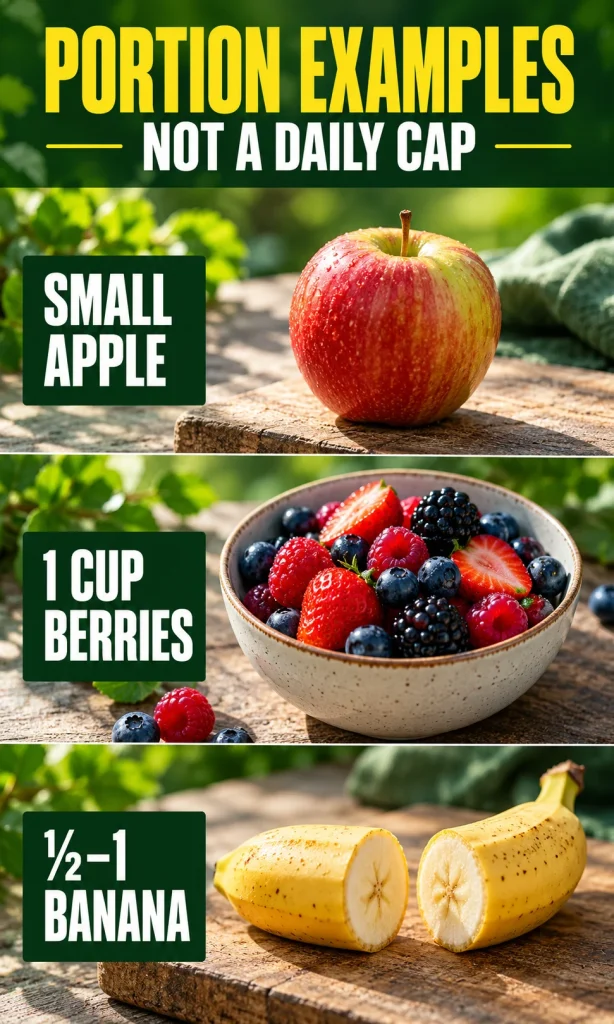
Use the examples below to picture an amount you could serve, rather than to calculate a daily allowance. These are practical portions, not equivalent carbohydrate doses or a formal Whole30 serving definition. The size of the fruit, the rest of the meal, and your appetite all change what feels sufficient.
| Fruit | Easy portion example | How to use it |
|---|---|---|
| Apple, orange, pear, or peach | One small fruit. | Take it with lunch or slice it beside a meal. |
| Berries or melon | About one cup. | Serve in a bowl so the amount is easy to see. |
| Banana | Half to one medium banana. | Use the amount you want; the smaller amount is not a rule. |
| Grapes, mango, or pineapple | Half to one cup. | Portion loose fruit before returning the packet to storage. |
| Dried fruit | A small measured amount, such as two tablespoons. | Use as a topping; this is not equivalent to a cup of fresh fruit. |
| Dates | One date as an ingredient example. | Date size varies greatly, so avoid treating all dates as identical. |
A cupped hand is a rough visual cue, not a reliable measurement. Small berries pack differently from pineapple chunks, and a large date differs from a small one. Use a cup once if the distinction helps, then return to comfortable meal preparation.
Do you need the lowest-sugar fruits?
You do not need a low-sugar fruit ranking to complete Whole30. Berries and citrus are useful choices for variety, but bananas, mango, and grapes are not second-class foods. A sour taste or green skin is not a dependable measure of sugar content.
Choose fruit by the job it needs to do: a banana travels well, frozen berries keep longer, and a chopped orange can brighten a savory salad. Portion and preparation matter when comparing fruit, so a tiny portion of one fruit cannot fairly be ranked against a large portion of another. If carbohydrate management is medically relevant, follow an individualized plan instead of a generic lowest-sugar list.
Dried fruit, dates, and fruit-and-nut snacks
Drying removes water, so a small handful can represent more fruit than its size suggests. That makes dried fruit convenient for travel and useful in small additions to meals. It also makes eating directly from a large bag less informative than putting an amount on a plate.
The current official compatibility guide permits dates and distinguishes them from processed date syrup. For other dried fruit, inspect added sweeteners and coatings rather than relying on a “natural” front label. Added sulfites are no longer excluded under the program, although a personal sensitivity still matters.
A fruit-and-nut snack is not automatically banned because it tastes sweet. Whole30’s discussion of cravings and mindful eating instead asks how a compatible food is being used. If it has become your automatic response to stress, changing that routine may be more useful than blaming a particular fruit.

Fruit juice and smoothies: allowed does not mean identical
You may drink 100% fruit juice without added sweeteners; it is not limited to use in cooking. Whole fruit and juice are different formats, so decide which one fits the occasion. A beverage is also easy to keep topping up without noticing how much you have served.
Smoothies are allowed when the ingredients fit, and the program’s advice has evolved beyond a blanket discouragement. Its balanced smoothie guidance considers protein, vegetables, fruit, and fat together. A smoothie that helps on a busy morning is a different practical choice from a fruit-only drink that leaves you hungry.
Check the base and additions, not just the fruit: dairy milk, honey, sweetened yogurt, or an incompatible protein blend changes the recipe. For an Original Whole30 example, use berries, spinach, unsweetened compatible coconut milk, and an appropriate compatible protein source. Do not assume every product marketed as protein powder fits.
Build fruit into meals you already eat
There is no need to invent an elaborate fruit schedule. Pick one meal you routinely prepare and add fruit where it brings flavor, texture, or convenience. The examples below are meal ideas rather than a prescribed daily menu.
- Breakfast: eggs with spinach and potatoes, with orange segments on the side.
- Lunch: chicken salad with cucumber, olive oil, and chopped apple.
- Dinner: baked fish with vegetables and a mango-lime salsa.
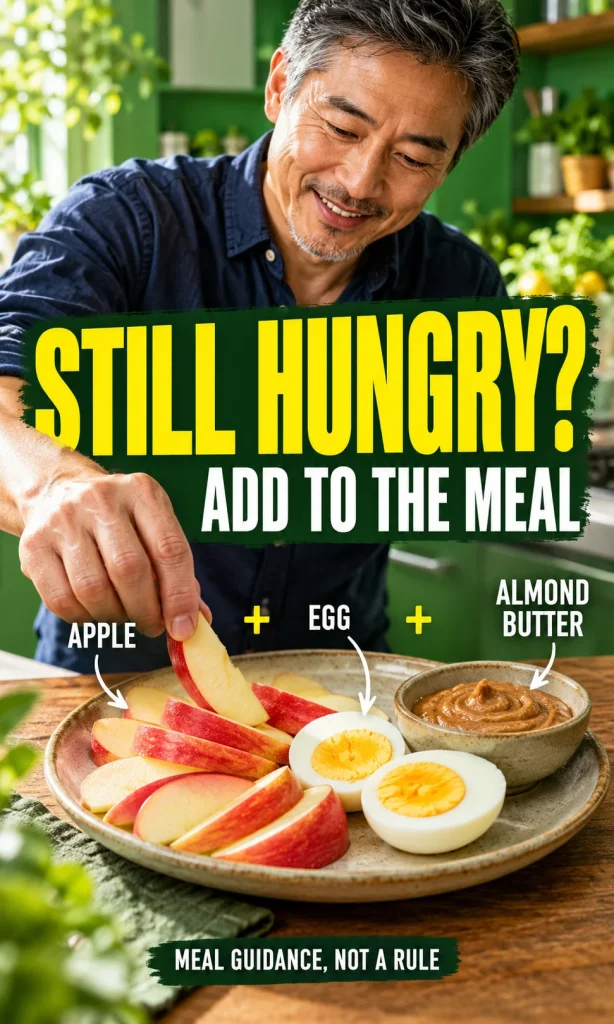
- A needed mini-meal: an apple with a hard-boiled egg and compatible almond butter.
Almond butter contributes fat but does not make an apple into a substantial protein meal by itself. If you remain hungry, consider what the whole meal is missing. Your snack does not need to be perfect before you are allowed to eat.
Check your choice with Fruit Reality Check
Choose the form of fruit, confirm what you know about its ingredients, and identify how you plan to use it. The check separates an ingredient decision from an optional meal suggestion. It does not calculate a medical portion or produce a compliance score.
Fruit Reality Check
Check the form. Read the ingredients. Build your meal.
No invented daily limitThis check separates fruit ingredient compatibility from optional meal guidance. Choose the fruit form and what you know about its ingredients; it cannot verify a product label or prescribe a medical portion.
Ready for your choice
Check the ingredient list before relying on a packaged fruit product.
Meal guidance
This check gives an optional next step alongside the ingredient decision.
Next action
Choose your answers and select Check my choice.
Independent educational check. Not endorsed by Whole30. Compatibility is not a medical recommendation. Your answers stay in this page and are not stored or sent by this experience.
If fruit seems to leave you hungry or uncomfortable
Start by reviewing the amount and the surrounding meal rather than assuming fruit is the cause. Try a smaller portion alongside a substantial meal and notice whether the pattern changes. Repeated hunger also deserves more food, not a stricter list of approved fruits.
If bloating is the main problem, program compatibility does not tell you which fruits you personally tolerate. Our fruits for IBS article covers that separate question in more detail. Persistent symptoms should be assessed rather than explained away as part of a reset.
Whole30 rules are not a treatment plan for diabetes, suspected low blood sugar, or an eating disorder. Do not reduce food or change medication to fit this guide. Follow professional advice when a health condition changes your nutrition needs.
Frequently asked questions
Can I eat bananas every day on Whole30?
Yes. A plain banana can fit every day, and there is no banana-specific daily limit. Include other fruits when convenient and judge the meal by whether it leaves you comfortably satisfied.
Are dates allowed on Whole30?
Whole dates are allowed; processed date syrup is excluded. Check packaged dates for added sweeteners. Using dates as an ingredient differs from repeatedly reaching for them whenever you want something sweet.
Is fruit juice allowed as a drink?
Yes, 100% fruit juice with no added sweeteners is compatible. It is not restricted to cooking. Check the ingredients on juice drinks, cocktails, and blends rather than assuming every fruit-flavored beverage qualifies.
Can I have smoothies on Whole30?
Yes, when every ingredient is compatible. A homemade smoothie can be useful on a busy day. Consider what provides protein and fat, rather than making it only fruit and water.
Does more than two servings of fruit break Whole30?
No. Two servings is not a program ceiling. If your fruit choices meet the rules, eating a third serving does not by itself make your day incompatible.
What if I am still hungry after eating fruit?
Eat enough food to feel satisfied. Fruit alone may not be a sufficient snack or meal for you. Add a compatible protein source, fat, or a more substantial meal rather than treating hunger as evidence that you have eaten too much fruit.
Is avocado allowed on Whole30?
Yes. Avocado fits the program. Although botanically a fruit, the Whole30 meal template places it with fat sources, so use it to complement a meal rather than swapping it directly for a bowl of berries.
Are canned fruit and frozen fruit allowed?
Plain frozen fruit is compatible, and canned fruit can be compatible too. Inspect the syrup, sauce, and other added ingredients. Fruit in water or 100% juice differs from fruit packed in a sugar-sweetened syrup.
Your next fruit choice
Keep the fruit you enjoy, check packaged ingredients, and serve an amount that fits a satisfying meal. Adjust the routine when it helps, without inventing a daily cap or a banned list of sweet fruits. When your goal becomes long-term meal balance beyond the program, our MyPlate explanation describes a different framework rather than another Whole30 rule.