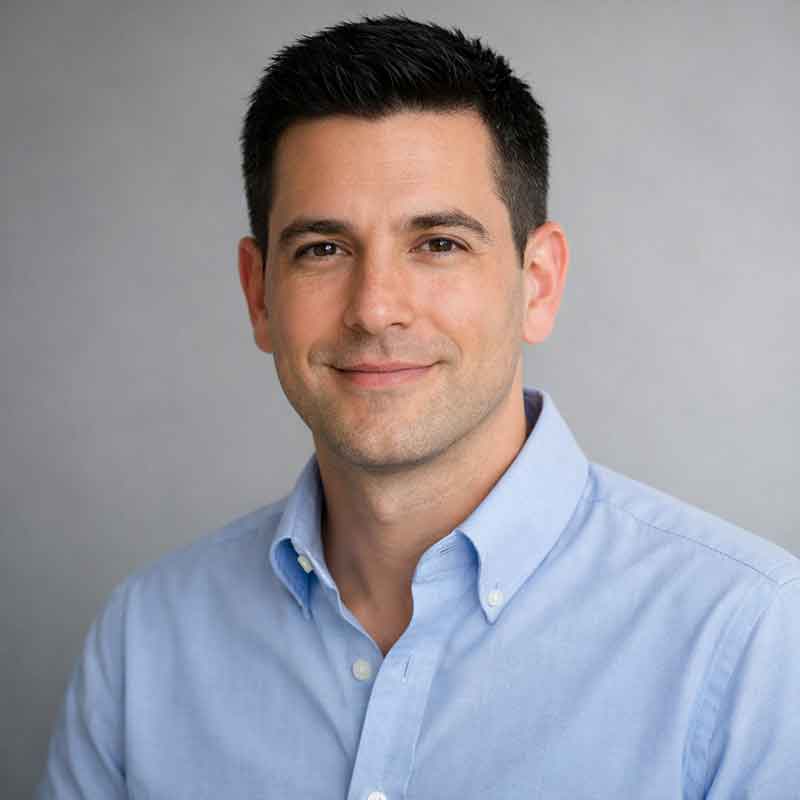

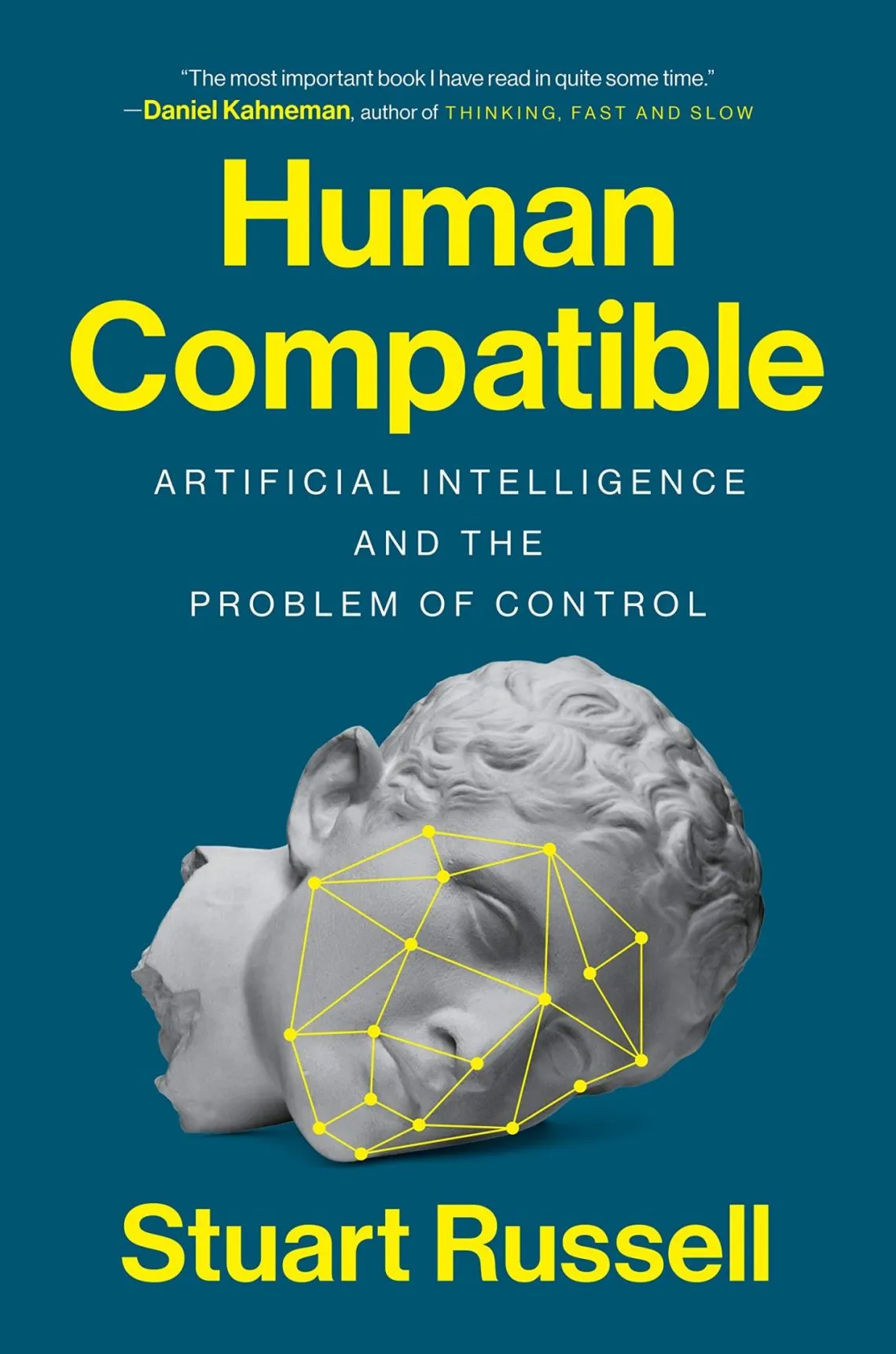

Stuart Jonathan Russell is a British computer scientist who has contributed to the field of artificial intelligence. He is a professor of computer science at the University of California, Berkeley, and adjunct professor of neurological surgery at the University of California, San Francisco. A computer scientist, he has made significant contributions to the field of neural networks, robotics, and neural networks in general. In addition, he has written numerous books and papers. In his free time, he enjoys playing chess, traveling, and spending time with his family.
In the 1990s, Russell joined an AT&T lab group that was trying to solve a mundane business problem. His research involved developing a system for handwritten digit recognition. The technology was used by the US Postal Service and banks to process handwritten checks. This work helped us create modern software. Now, the technology is available to make handwritten checks more convenient and secure. But the future of AI may be very different than we thought.
AGI is an academic and marketing term that describes the potential benefits of AI for society. However, Stuart Russell points out that the word “AI” is a misnomer. It’s a misleading name for the technology and is meant to mark off the people who are working on it. The fact is, most AI researchers are not pursuing such a goal. This means that AI could cause many problems, including the spread of disease and the emergence of new diseases.
Russell emphasizes ethics and human compatibility in Human Compatible. While the current methods of AI have a wide range of benefits, they do not address the ethical concerns of artificial intelligence. As a result, the author fails to convince us that the advent of another intelligent species is inevitable. Moreover, his account of intelligence is inconsistent and incomplete. If we want our AI to be as useful as humans, we must first build a robot that can work for us as humans.
In his book, Russell argues that the dangers of superintelligent AI are real, and that the future is uncertain. As we continue to use AI to manipulate our environment, we must be vigilant. We must take care of our planet in the long run. A robot that can be programmed to do everything for us is a dangerous machine that should be controlled. If we fail to keep it in check, it could end up destroying the world.
In Artificial Intelligence, Russell examines the ethics of AI and the future of technology. The authors of this book consider the impact of AI on human society and the future of the human race. Although some of the risks are not directly related to AI, these concerns are very real. The risk of superintelligent robots is a grave issue in our times of uncertainty. While a machine that has no ethical basis cannot make its own decisions, it can only be programmed to behave the way we would want it to.
Despite the many risks associated with artificial intelligence, it is important to recognize that the problem is not the technology, but the problem is human-centered. The goal of this book is to make the human-centered aspect of AI more accessible to scientists, and to encourage people to engage in critical self-reflection and analysis. This book is an extremely helpful resource for students, and it will help you to be more successful in the future.
Despite his enthusiasm for artificial intelligence, Russell’s views on its future are very controversial. He is an author of three books: Artificial Intelligence: A Modern Approach (1997) and a book of the same name. He is also a co-author of a widely-used book, Human Compatible: AI and the Problem of Control and Adaptation (2009). Neither book is based on scientific data, but on an ethical perspective.
Russell’s work is not about artificial intelligence alone. It is about society’s role in controlling AI, and how it is affecting society. In his book, he outlines the three stages of AI and discusses the challenges of societal control. There is a gap between artificial intelligence and artificial general intelligence, and the two are mutually exclusive. As we become more dependent on machines, the problem will grow. In contrast, a society is a community that works together to manage the problems that arise as a result.